In order for me to write poetry that isn’t political. I must listen to the birds. And in order to hear the birds, the warplanes must be silent.
(Marwan Makhoul)
-
-
Midnight Library – Matt Haig

Doc of Library Base Twitter
Matt Haig’s Midnight Library made me visit Goodreads to check out his other books, which I believed deserved a spot on my reading wish list. I didn’t know yet how he typically wrote in his previous works of fiction, but I was quite amazed by the story concept and the plot structure of Midnight Library. In fact, Matt Haig had a history of mental health struggles and had battled depression, which made it all the more impressive that he could craft such a sci-fi and life-reflection narrative.Imagination and life reflection were central to the story. Nora’s journey resonated with those in their thirties who might have faced depression or overthinking about their success in life. The idea of a magical library was fresh and brilliant for sci-fi lovers. Everyone in the world had likely wondered about the life they might have had if they had made different choices, or imagined accepting something they had previously rejected. The concept of the Regret Books in this story served as a reminder of those imagined regrets.
One of the things I appreciated about this book was that Matt Haig included an inspiring scene related to science that revealed the human instinct to choose life over death. This occurred when Nora opened a book about deciding to become a scientist and ventured to the North Pole, where she was nearly eaten by a giant polar bear. She admitted to herself and even prayed for her survival. This moment was when Nora realized she still wanted to live and be helped. It was also a moment where science could explain that humans have a natural instinct to fight for life, and that overcoming problems and failure in life was logically similar to fighting the threat of a polar bear.
However, I sometimes got lost in certain parts of the story that presented inconsistent ideas. For instance, why was the cat still dead in one scenario, while Izzy and Joe could both be alive and dead in different parts of the story? I reminded myself that, as a writer, Matt Haig had the opportunity to craft a puzzle-like plot, as it was a science fiction fantasy.
“Between life and death there is a library, and within that library, the shelves go on forever. Every book provides a chance to try another life you could have lived. To see how things would be if you had made other choices… Would you have done anything different, if you had the chance to undo your regrets?”
“It is easy to mourn the lives we aren’t living. Easy to wish we’d developed other other talents, said yes to different offers. Easy to wish we’d worked harder, loved better, handled our finances more astutely, been more popular, stayed in the band, gone to Australia, said yes to the coffee or done more bloody yoga. It takes no effort to miss the friends we didn’t make and the work we didn’t do the people we didn’t do and the people we didn’t marry and the children we didn’t have. It is not difficult to see yourself through the lens of other people, and to wish you were all the different kaleidoscopic versions of you they wanted you to be. It is easy to regret, and keep regretting, ad infinitum, until our time runs out. But it is not lives we regret not living that are the real problem. It is the regret itself. It’s the regret that makes us shrivel and wither and feel like our own and other people’s worst enemy. We can’t tell if any of those other versions would of been better or worse. Those lives are happening, it is true, but you are happening as well, and that is the happening we have to focus on.”
-
Local Tourism: ” The Backbone” of Tourism during A Pandemic. How Strong are You?
Written by: Anggi Gayatri Setiawan
According to Cambridge Dictionary, the word “backbone” means part of the human body that provides support for the body whereas “backbone of something” means the most important part of something which provides support for everything. This word undeniably describes the urgency of domestic tourism for the tourism industry during COVID-19 pandemic. Domestic tourism in many countries, including in Indonesia, has been the backbone of the tourism industry when almost all of the international travels were restricted. The homework is to learn the strength of domestic tourism as a backbone that gives a huge impact to sustainable tourism as well as economic empowerment.
The World Travel & Tourism Council (2020) mentioned an increase in the number of global unemployment in 2020 by 2.9% was contributed by the tourism sector and as many as 106.7 million workers came from Asia Pacific. Indonesia’s Tourism and Creative Economy Minister once stated that the number of foreign tourist visits to Indonesia in 2020 fell by 75.03% compared to 2019. This is certainly in line with the loss of tourism foreign exchange potential, only US$ 3.54 billion from US$ 16.9 billion in 2019. While the decline in the number of domestic tourist trips (when local tourist access is allowed to operate but limited with health protocols) was recorded that it did not reach 50%, it only decreased precisely by 29.7% in 2020 and had a slight increase in 2021.
The data is in accordance with a compelling research by Kumar (2016) which states that managing domestic tourists can prove the advantages to sustainable tourism since the domestic market is not sensitive to crises, whether economic, natural, health or political. Furthermore, UNWTO (2021) made a highlight that the domestic market in tourism would recover quickly or come back stronger than the international market. Unfortunately, many developing countries ignore the development of their domestic tourists while many developed countries have taken it seriously as a way to achieve sustainability (Kabote, Mamimine & Muranda, 2017).
In 2017 (the three years prior to the COVID-19 pandemic), conforming to the output data of Gross Value Added, labor compensation and product tax on net products, Indonesian domestic tourists have always been the biggest contributors compared to other sources of tourism revenue. However, compared to four other countries such as Malaysia, Thailand, China and New Zealand, the ratio of the population and the number of domestic tourist trips in Indonesia is only 1 per 1.05, which means there were 283 million trips out of 271 million Indonesians. While Malaysia’s ratio was 1 per 10.40; Thailand’s was 1 per 3.30; China’s was 1 per 4.30 and New Zealand’s was 1 per 9.04.
That data of domestic tourism was collected for this essay in 2021 after visiting a beach in Tangerang Regency named Tanjung Kait, a beach located 30 meters from Jakarta which the sea is bordered by Kepulauan Seribu. In fact, the beach which has been a recreation site for many people particularly residents of Tangerang as well as an economic source of revenue is in contrast to sustainable local tourism. The dark brown color of the water sea and the mass garbage in the sea instead tend to be a potential source of natural damage for instance the abrasion and the environmental pollution.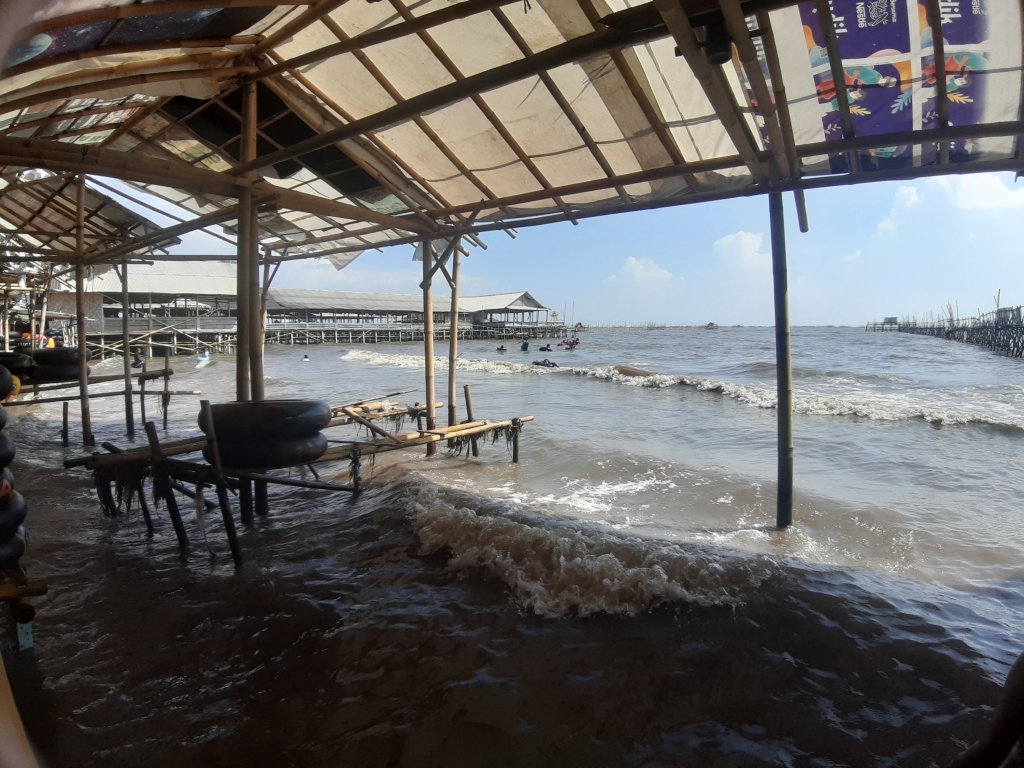
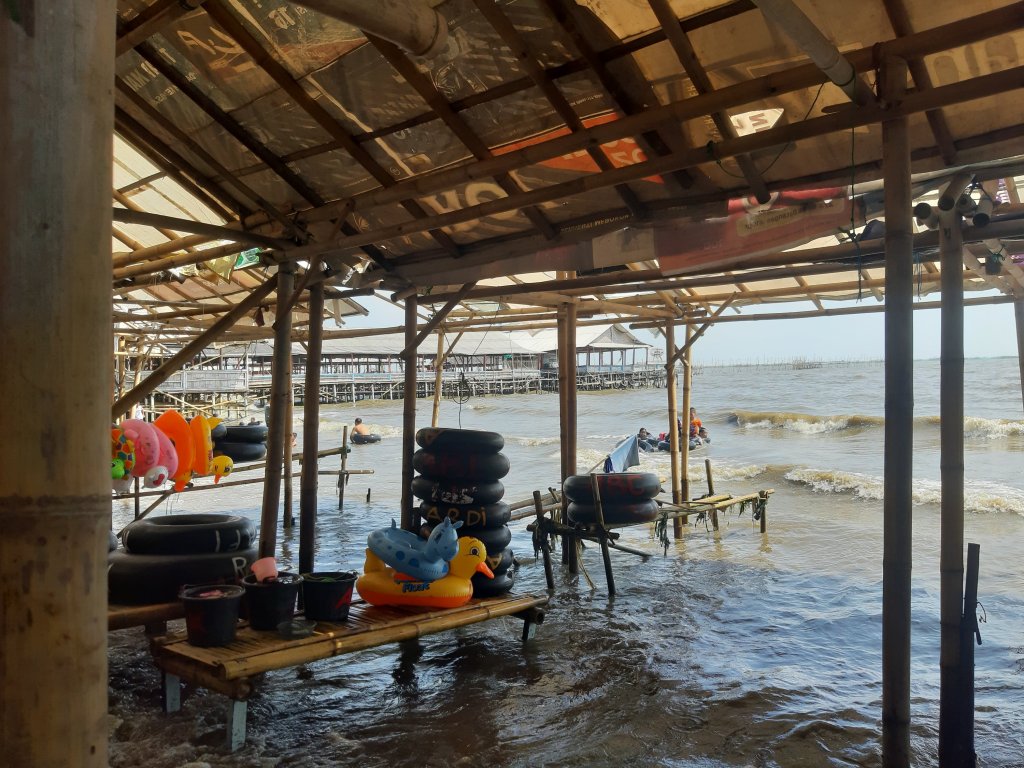
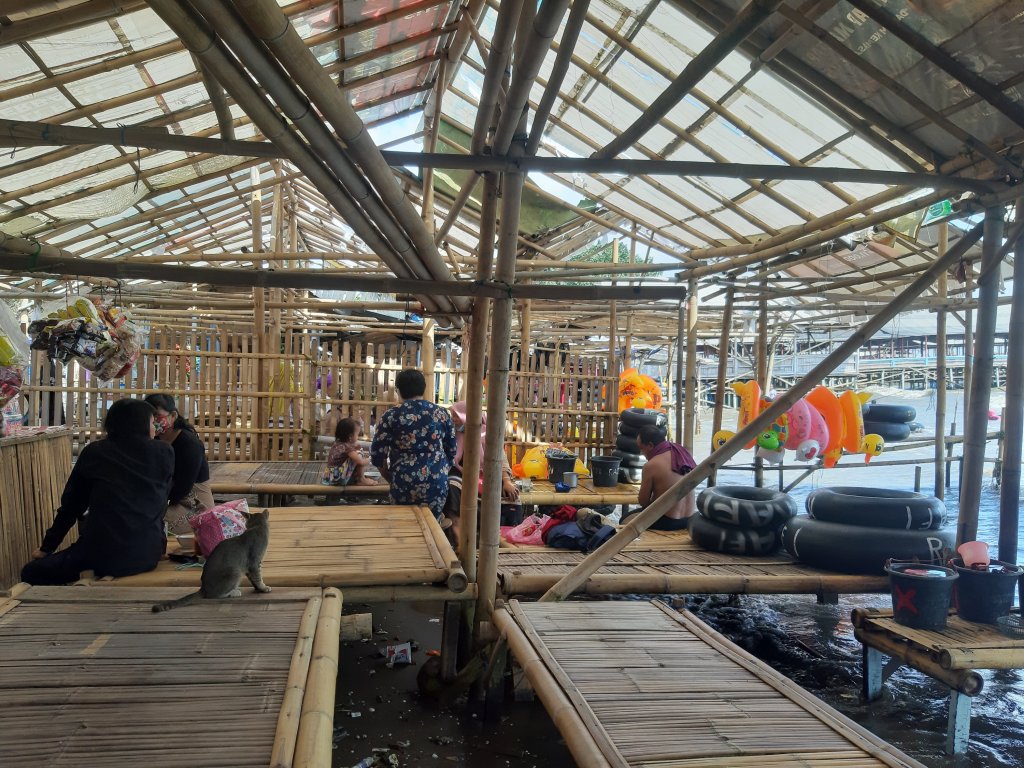
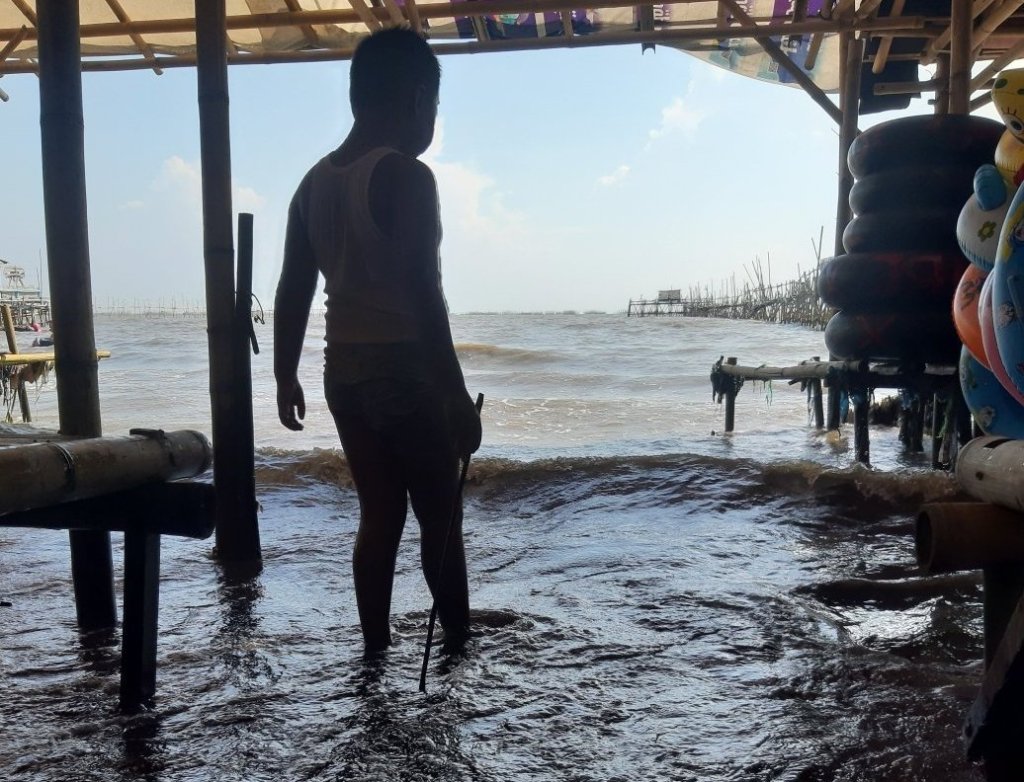
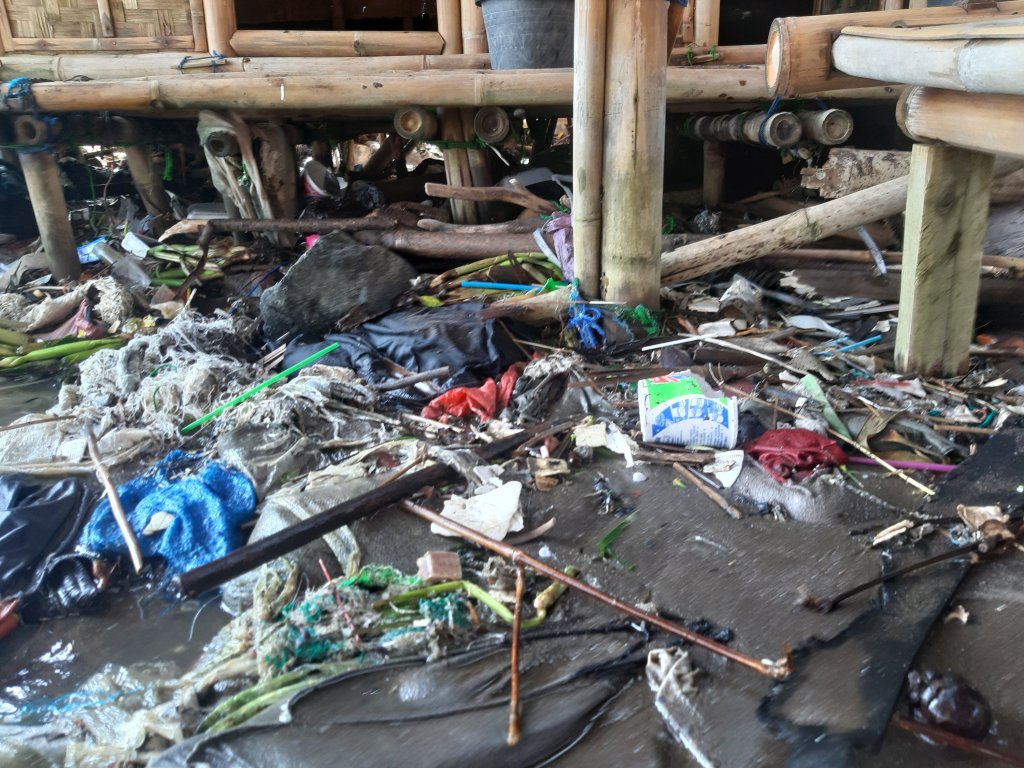
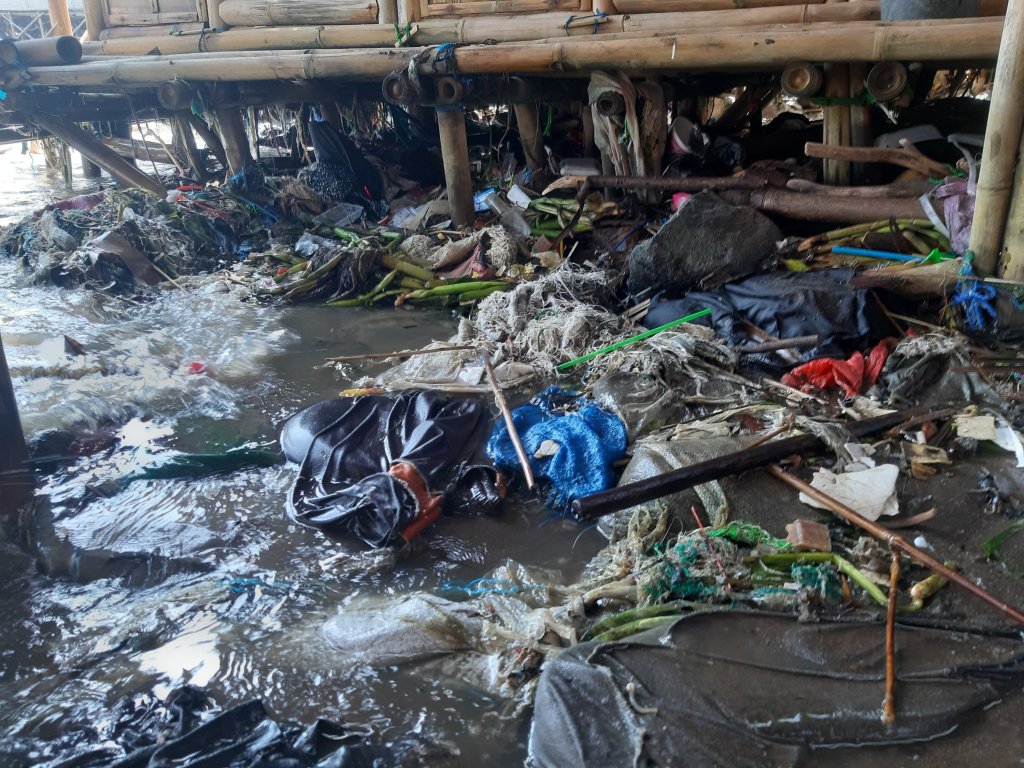
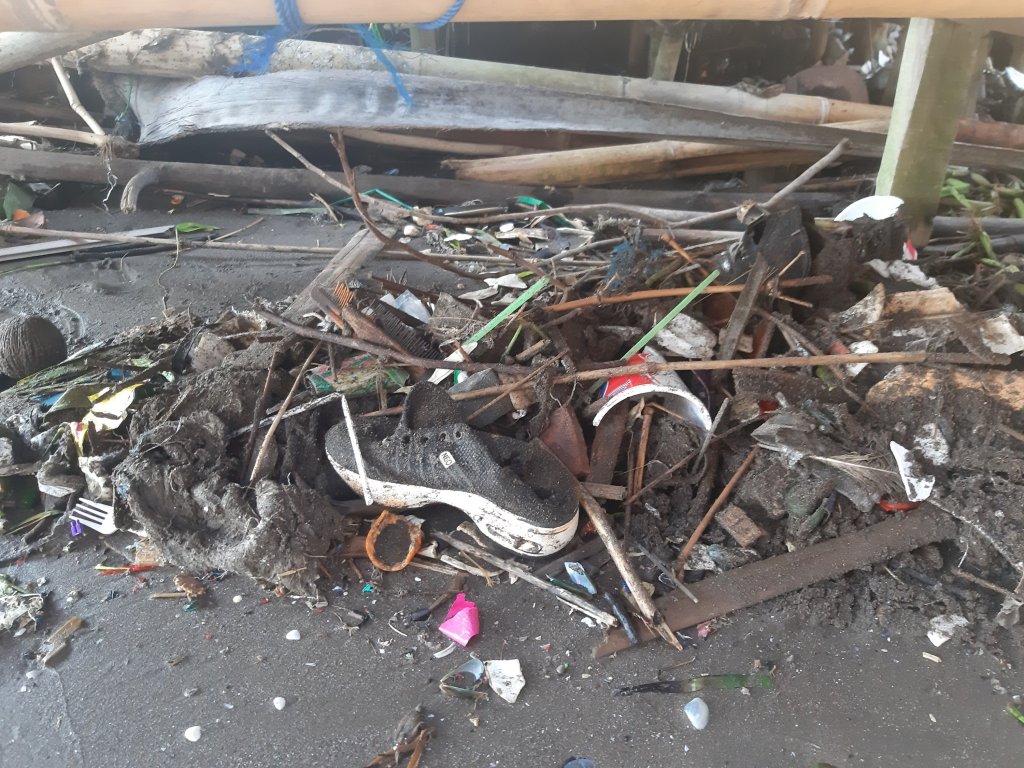
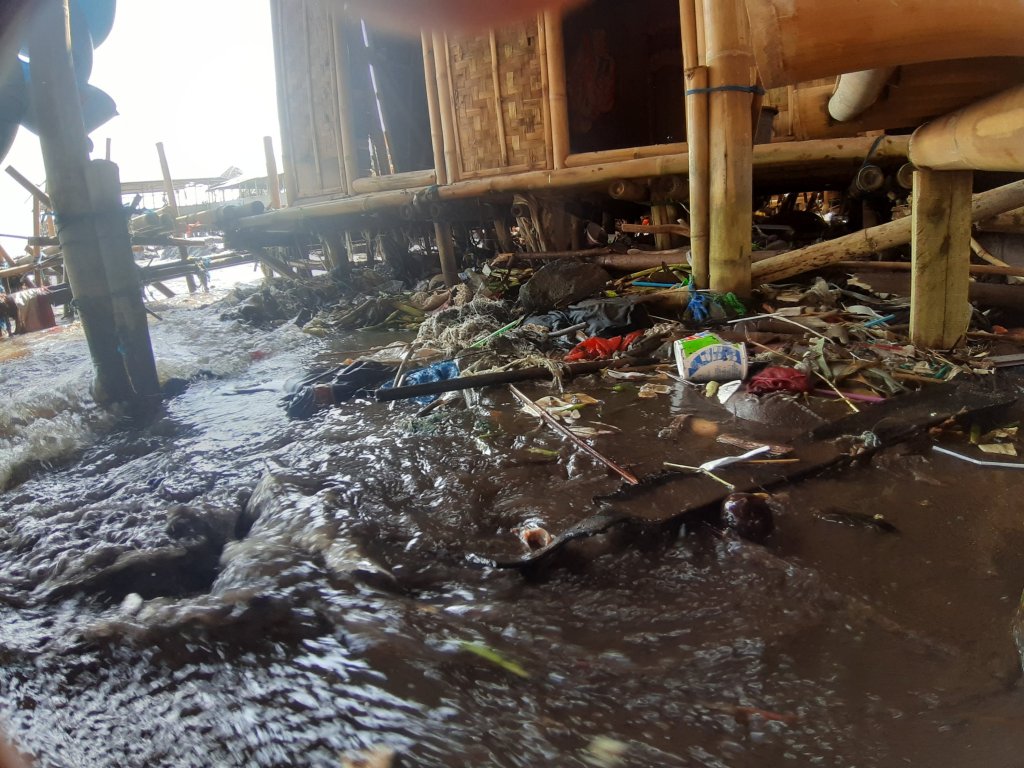

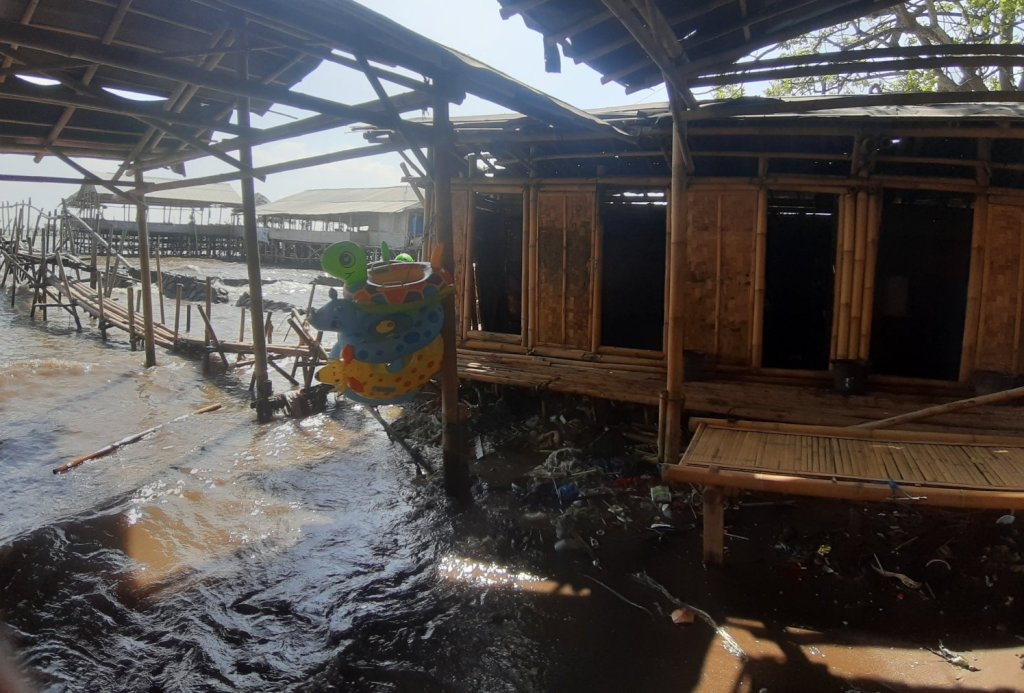
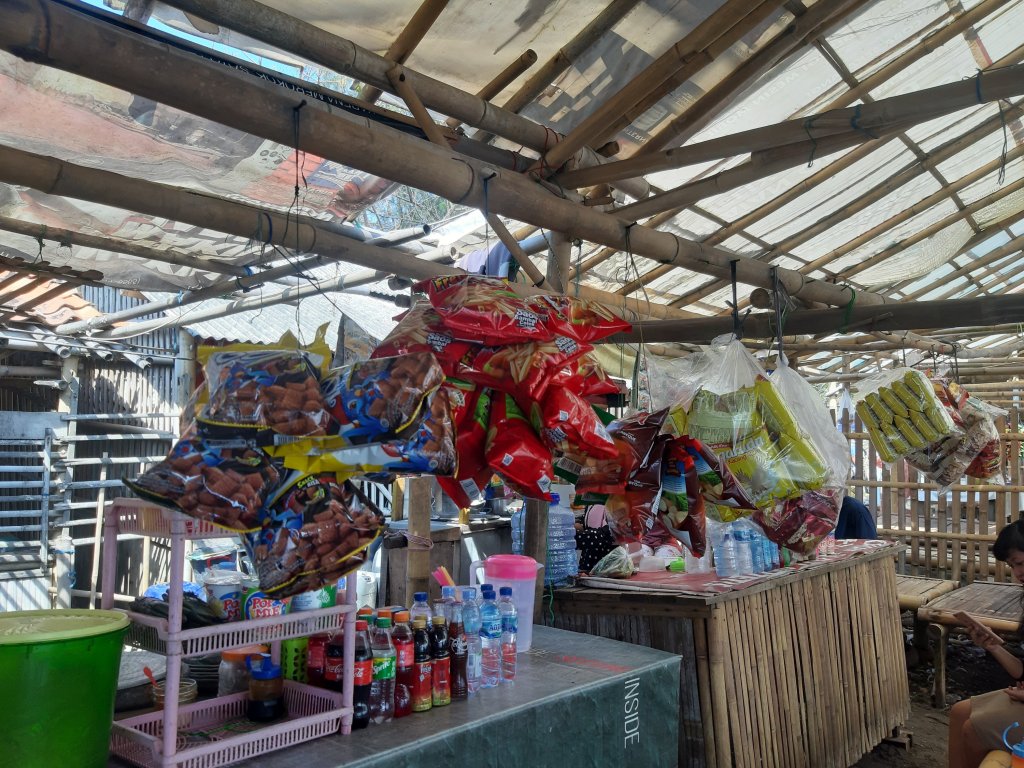
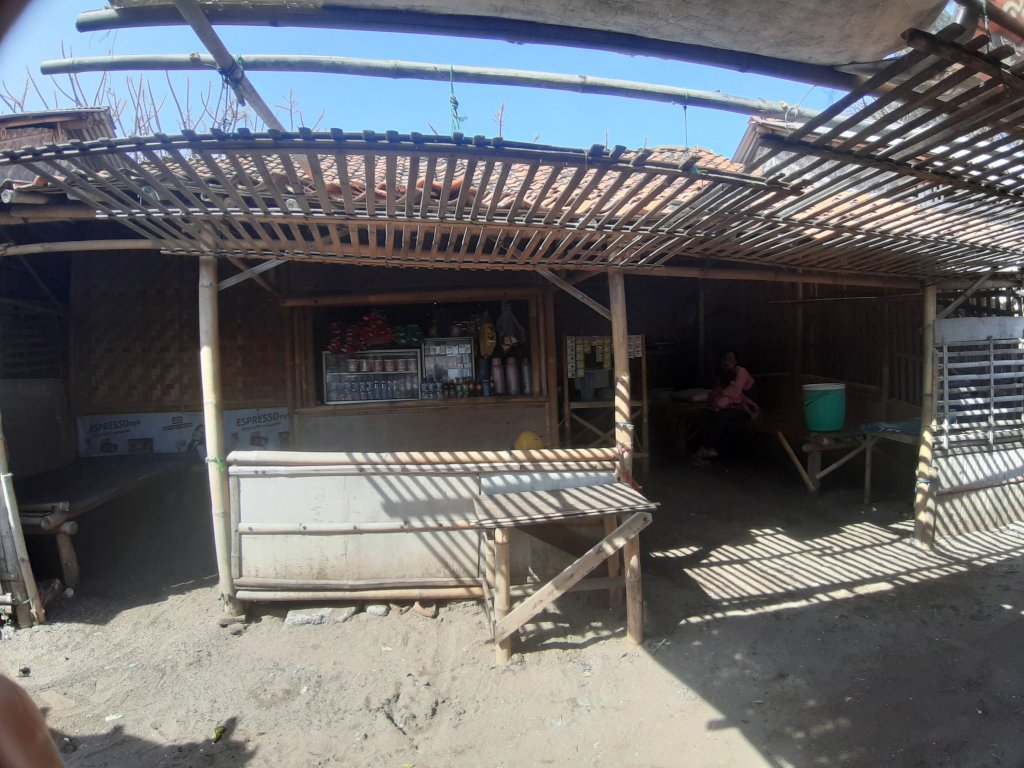
Tanjung Kait Beach actually has the potential as a cultural center and historical acculturation of Betawi and Chinese culture, the visitors can find several temples, such as the Tjoe Soe Kong Temple which was built in 1860. Apart from having a pier for fishermen looking for fish, it is close to the fish auction center for fishermen’s catches. In addition to the strategic location, the beach location is included in the security eye area of the capital Radar Unit (SATRAD) 211 and is adjacent to a vocational school under the auspices of the Sailing Science Education and Training Center (BP2IP). However, being located near to these important places did not help better management of Tanjung Kait beach as a local tourism destination. The visitors playing on the beach with masses of garbage, the small shops in the beach who innocently throw garbage and food scraps to the beach, no trash bins or waste management as well as no warning of keeping cleanliness. Not least, the visitors might feel unsafe because of the threat of illegal levies at several entrances.
The COVID-19 has taught the government and the society to be able to maximize the potential out of the challenge of local travel restrictions or local lockdowns, such as being aware that local tourism is a derivative of the national tourism. Not only Tanjung Kait, all of the thirty four provinces in Indonesia have tourism potential either located in the center cities or rural in the districts that has a positive impact on the economy of surrounding people as well as the existing problem and challenge to be solved. It would be advantageous if the government, private parties, non-profit organizations and the community re-examine the list of works for the sustainability of local tourism potential not only limited to increasing tourism access but also including environmental management and awareness of the local community. -
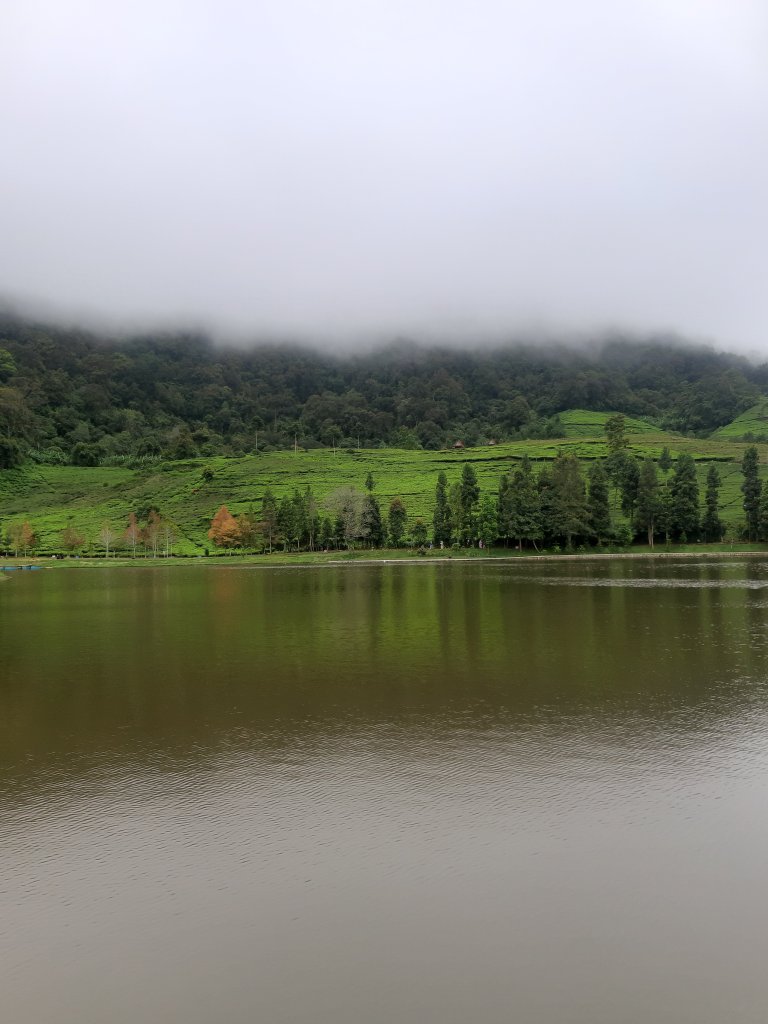
0km Ciliwung (hulu) Ciliwung sendat airnya, Ciliwung cokelat seperti dahulu
Luka dan dukamu - engkau kayuh ke hilir
Bersama siapa yang tercampak minggir
Kini engkau korban
Dulu engkau korban
Ada yang tajam menggores, Kota dan kehidupan
(Slamet Sukirnanto - 1967) -

Healing = Dealing -
First day of the year
The hundredth day to remember
The box got lost
That big box is off of our eyes
Where are you, the lonely, solitary box?
The wise box stayed in the dusk and in the dawn
Sometimes left with the dust and the dew
Now the bright box is gone
After a clue of the eyes
The blissful of four eyeballed those days
The hidden arch
The unforgettable lub and dub
-
Sapardi Djoko Damono -
ULASAN BUKU: Gagalnya Sistem Kanal – Pengendalian Banjir dari Masa ke Masa
Akhirnya wishlist sejak Desember 2019, berhasil dibaca di tangan dan tidak sia-sia, membaca buku ini memuaskan sekali meski yaa tetap ada hal-hal yang masih membuat bertanya. Terima kasih Perpustakaan Nasional yang masih punya buku ini ketika di mana mana saya mau beli tidak ada yang menjualnya. Walau di Perpusnas pun stok bukunya sedikit dan sulit untuk dipinjam pulang, semoga segera ditambahkan ya.
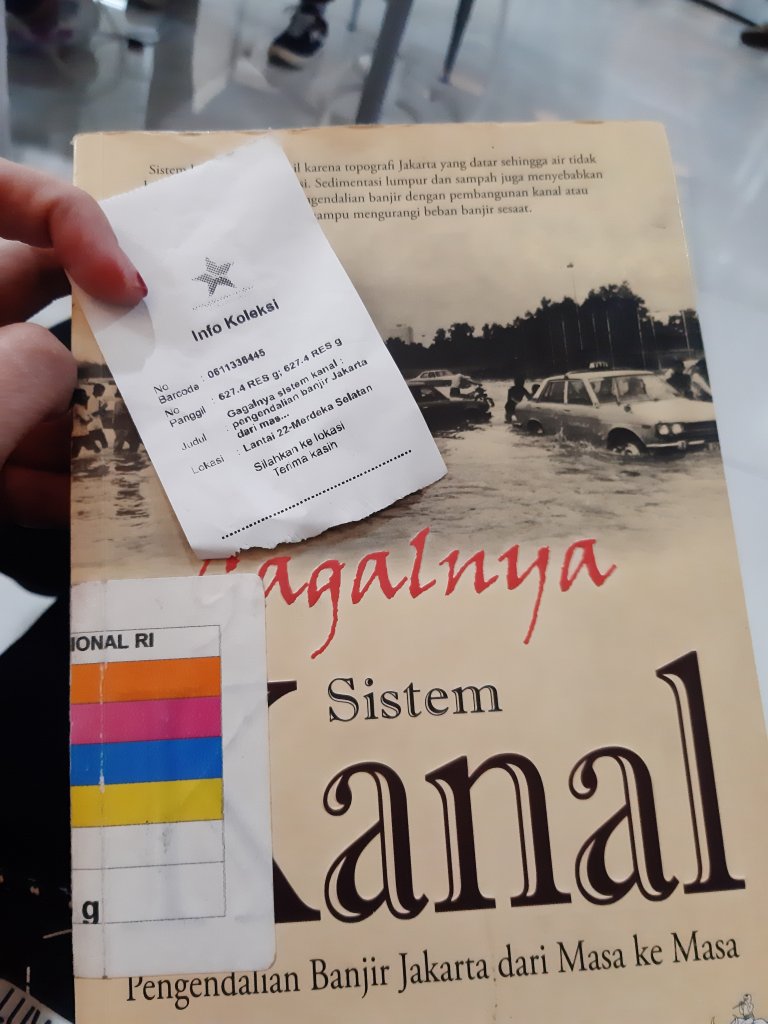
Buku terbitan tahun 2010 yang banyak berseliweran direkomendasikan oleh banyak influencer ini ternyata saduran dari sebuah disertasi “Kala Air Tidak Lagi Menjadi Sahabat: Banjir dan Pengendaliannya di Jakarta 1911 – 1985”, tentunya karya sang penulis Bapak Restu Gunawan. Setelah membaca dan merekomendasikan buku ini, banyak yang berpendapat memang harus ada upaya non-kanal untuk menanggulangi banjir langganan Jakarta. Yang belum setuju dengan upaya resapan air yang dilakukan Pak Gub ARB, katanya boleh baca buku ini dahulu agar pemahamannya lebih komprehensif. Hal lain yang membuat saya penasaran adalah tokoh-tokoh sejarah kemerdekaan dan pemerintah Jaman Soekarno Hatta tidak banyak yang membahas hal-hal praktik berkaitan dengan tata kota pemerintahan termasuk banjir. Idealis kritik sistem pemerintahan dari tokoh nasional banyak sekali dapat ditemukan tapi tidak dengan hal-hal penanggulan sustainability issue seperti tata kota dan masalahnya seperti banjir.
So what’s the special insight inside the book?
Dengan hampir 400 halaman, buku ini terbagi menjadi setidaknya enam bagian. Bagian satu menceritakan siklus fisiografi Jakarta sebagai dataran rendah yang memiliki risiko banjir, dari isinya sudah cukup mewakili hal scientific kenapa secara natural Jakarta memang berbakat untuk kebanjiran seperti dataran rendah, luapan letusan gunung, endapan sungai, angina dan iklim dan lain lain.
Pembaca agak dibuat lupa dengan topik banjir Jakarta di bagian kedua ini, karena isinya membahas sejarah perkembangan spasial dan perebutan ruang kota. Saya pribadi suka sih, ini mahal banget informasinya yang bersumber dari sumber yang cukup sulit ditemui. Plotnya maju mundur, membahas dari zaman kerajaan sebelum VOC atau bahkan Portugis pertama tiba di Nusantara. Di sini belum banyak atau bahkan belum ada isu diangkat terkait banjir Jakarta.
Nah bagian ketiga mengupas tuntas kaleidoskop banjir besar Jakarta yang mulai terjadi sejak 1893 hingga tahun 1980an. Sumber yang dikutip di sini hampir semua dari surat kabar, Sin Po, Sinar Harapan, Antara, Kompas dan lainnya. Di bagian ini juga disebutkan beberapa fakta terkait fisiografi Jakarta yang dibahas di bab pertama misalnya seperti Jakarta yang dulunya dijuluki Venesia dari Timur yang semakin tahun sungainya banyak menghilang, sungai sungai kecil yang dulu banyak di daerah Jakarta Pusat (sekarang). Bagaimanapun saya menikmati narasi di bagian ini hanya antara tahun 1893 hingga 1930an, karena informasi yang dibahas pada tahun 1950an di sini seperti kurang analisis, malah hanya seperti berisi tragedi banjir besar, dana pemerintah yang dikeluarkan dan aksi filantropis warga. Analisis penyebab banjir yang saya temukan di banjir besar setelah tahun 1950 an adalah curah hujan, banjir kiriman dan anehnya lagi di tahun 1970an (kalau tidak salah) disebutkan penyebabnya salah musim. Hmm maksudnya adalah bergesernya musim penghujan atau hujan besar dan penyebab banjir hadir di bulan bulan tidak biasanya ketika tidak dilakukan lagi upaya persiapan antisipasi banjir. Penulis juga tidak menambahkan point of view, kritik atau komentar lainnya di sini selain dari fokus pemerintah di tahun 1950 untuk pembangunan besar-besaran. Ya sebenarnya sudah cukup menjelaskan sih ya dari satu statement itu, tetapi penulis lebih memilih tidak menjelaskan efek pembangunan besar yang berdampak pada banjir. Contohnya, banjir besar yang terjadi di Jakarta dan sekitarnya setelah ada penggalian pasir untuk tol Jagorawi. Dari beberapa dekade yang disebutkan, siklus banjir besar Jakarta memang seringnya terjadi di bulan Januari atau Februari dengan perkembangan durasi berbeda-beda. Sebelum ada upaya pembuatan waduk misalnya, banjir bisa saja berlangsung hingga satu bulan. Walaupun setelah ada waduk Pluit, banjir besar masih terjadi. Menariknya di sini pun disebutkan area Jakarta yang terkena banjir besar dengan cukup detail. Daerah sekitar Sungai Krukut atau Cideng sudah tidak asing lagi karena selalu ada disebutkan di peristiwa banjir hampir di setiap tahunnya, hanya semakin menuju ke tahun 1970 ke atas banjir besar jadi sering terjadi di selatan Jakarta seperti Pasar Minggu dan perbatasan Tangerang seperti Ciledug atau Bintaro sekitarnya. Dari narasi yang paling panjang di bagian ketiga ini, disebutkan juga saat banjir besar yang terjadi di Jakarta yang berbarengan dengan banjir besar di pulau Jawa dan luar pulau Jawa.
Lanjut ke bagian empat dan lima yang merupakan inti dari buku ini, yaitu pengendalian banjir di tahun 1911 – 1965 dan tahun 1965 – 1985. Pada masa kolonial seperti dari tahun 1913 hingga 1930, upaya yang dilakukan banyak ke arah preventif banjir di tahun mendatang seperti melakukan pengerukan tumpukan sedimentasi dan pengaliran air dari sampah dan limbah yang menumpuk dan pembuatan kanal antar sungai seperti kanal banjir Kali Malang, Pintu Air Matraman dan Karet. Pada saat itu masalah yang dihadapi adalah keterbatasan dana yang dimiliki dan semua anggaran maupun pelaksana adalah berasal dari Kota Praja. Pada masa ini sebenarnya sudah ada beberapa penelitian yang menyebutkan bahwa banjir kiriman terjadi karena faktor meluasnya area perkebunan teh yang ada di Buitenzorg dan Puncak, namun tidak ditemukan pada buku ini upaya Kota Praja di bawah kolonial untuk preventif salah satu faktor banjir kiriman tersebut.
Adapun program penanggulangan banjir di periode 1965 – 1985 dilakukan oleh Komando Proyek Pencegahan Banjir (KOPRO BANJIR), sementara Pemerintah Daerah DKI Jakarta ditugasi proyek mikro seperti penggusuran warga sekitar kanal atau waduk dan penggalian tumpukan sedimentasi. Dalam kurun waktu tersebut, waduk dalam kota berhasil dibuat. Bersama konsultan luar negeri berhasil merealisasikan kanal banjir dengan sistem tapal kuda yaitu air dari hulu ditangkap oleh kanal yang melingkar setengah lingkaran di luar kota. Oleh karena itu, diperlukan kanal banjir barat dan kanal banjir timur. Faktanya kanal banjir barat sudah digagas oleh Herman Van Breen di tahun 1923, jadi pembangunan lanal di tahun 1973 ini sebenarnya sudah ketinggalan 50 tahun. Lebih lagi, pembangunan banjir kanal timur baru dimulai pada tahun 2006 atau 30 tahun kemudian dikarenakan kendala dana dan kendala sosial seperti pembebasan lahan dan sebagainya. Berdasarkan fakta banjir besar yang masih terjadi, sistem kanal dan polder (tanah rendah untuk menampung air) dan waduk penampungan yang sudah ada tidak mampu membebaskan Jakarta dari banjir. Hal ini dikarenakan topografi Jakarta yang datar yang mengakibatkan air tidak bisa mengalir secara gravitasi, selain sedimentasi lumpur dan sampah yang membuat aliran air tidak lancar. Upaya normalisasi sungai dari lumpur dan sampah hanya bisa mendukung kanal dan waduk untuk menampung beban banjir sementara, namun tidak bsa menahan arus banjir kiriman yang begitu besar. Terlebih daerah yang menjadi polder sudah dipenuhi penduduk.
Akar masalah banjir yang gagal ditanggulangi oleh kanal-kanal banjir yang disinggung oleh penulis di buku ini adalah minimnya infiltrasi air ke dalam tanah. Tentu hal ini berkaitan dengan histori AMDAL pembangunan Kota Jakarta dan pembangunan bangunan di daerah hulu Jakarta sepert Depok dan Bogor. Jika penggundulan hutan untuk perluasan lahan perkebunan teh pada masa kolonial saja menjadi faktor kurangnya infiltrasi dan mengakibatkan banjir kiriman ke Jakarta, apalagi saat ini ketika wilayah Depok, Bogor, Puncak sudah padat pemukiman dan bangunan.
Sebagai salah satu penduduk yang tinggal di wilayah hulu, saya ingin partisipasi lebih banyak untuk meningkatkan potensi infiltrasi air ke dalam tanah. Semoga lebih banyak lagi pengusaha properti yang peduli ke upaya infiltrasi terutama program pemerintah pusat dan daerah untuk strict terhadap regulasi AMDAL dan upaya peningkatan infiltrasi tanah yang lebih baik.
-Ditulis dari rumah di pinggiran Buitenzorg yang dulunya lahan hutan dan perkebunan buah Jambu, 26 Desember 2021
-
it’s 4 in the morning -
M. Aan Mansyur
 a black mirror to read then to write