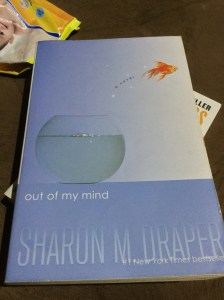
The book revolves around Melody’s unspoken and unheard thoughts, as she has been unable to express herself since birth. I wasn’t aware that this book was actually intended for readers aged 10 and up (which includes both teens and adults) until I finished reading it in just a few hours and took a glance at the back cover. I was genuinely taken aback. I even wondered if Draper (the author) was a teenager when she wrote it, as this was my first book by her. (Apparently, she was not, after I did a quick Google search.)
I read the book a few years ago when I was still single, so I had no concept of what it would be like to be Melody’s mother, having a daughter with a disability. Yet, something about the story captivated me and allowed me to imagine myself in the plot. The language is simple and easy to read, though I did find myself questioning how effectively Melody’s thoughts were conveyed in the story, considering she was still a child with limited social interactions and few friends. I assumed that if Melody had been in a more typical environment, she would have been an exceptionally brilliant child.
What I think people would appreciate about this book is Draper’s ability to present the plot with ease. At times, I felt pity for Melody, but I also found myself amazed by her resilience and even angry at certain moments in the story. Moreover, the narrative didn’t feel like a typical novel but rather more like a short story, which I consider a positive aspect.
Unfortunately, Out of Mind is the kind of book I might give to someone else but wouldn’t necessarily want to read again. Perhaps because it is targeted at a teen audience, Draper crafted the plot twist to resemble the kind of twist you’d find in teen literature, which didn’t feel particularly surprising or dramatic to me.
 a black mirror to read then to write