Local Tourism: ” The Backbone” of Tourism during A Pandemic. How Strong are You?
Written by: Anggi Gayatri Setiawan
According to Cambridge Dictionary, the word “backbone” means part of the human body that provides support for the body whereas “backbone of something” means the most important part of something which provides support for everything. This word undeniably describes the urgency of domestic tourism for the tourism industry during COVID-19 pandemic. Domestic tourism in many countries, including in Indonesia, has been the backbone of the tourism industry when almost all of the international travels were restricted. The homework is to learn the strength of domestic tourism as a backbone that gives a huge impact to sustainable tourism as well as economic empowerment.
The World Travel & Tourism Council (2020) mentioned an increase in the number of global unemployment in 2020 by 2.9% was contributed by the tourism sector and as many as 106.7 million workers came from Asia Pacific. Indonesia’s Tourism and Creative Economy Minister once stated that the number of foreign tourist visits to Indonesia in 2020 fell by 75.03% compared to 2019. This is certainly in line with the loss of tourism foreign exchange potential, only US$ 3.54 billion from US$ 16.9 billion in 2019. While the decline in the number of domestic tourist trips (when local tourist access is allowed to operate but limited with health protocols) was recorded that it did not reach 50%, it only decreased precisely by 29.7% in 2020 and had a slight increase in 2021.
The data is in accordance with a compelling research by Kumar (2016) which states that managing domestic tourists can prove the advantages to sustainable tourism since the domestic market is not sensitive to crises, whether economic, natural, health or political. Furthermore, UNWTO (2021) made a highlight that the domestic market in tourism would recover quickly or come back stronger than the international market. Unfortunately, many developing countries ignore the development of their domestic tourists while many developed countries have taken it seriously as a way to achieve sustainability (Kabote, Mamimine & Muranda, 2017).
In 2017 (the three years prior to the COVID-19 pandemic), conforming to the output data of Gross Value Added, labor compensation and product tax on net products, Indonesian domestic tourists have always been the biggest contributors compared to other sources of tourism revenue. However, compared to four other countries such as Malaysia, Thailand, China and New Zealand, the ratio of the population and the number of domestic tourist trips in Indonesia is only 1 per 1.05, which means there were 283 million trips out of 271 million Indonesians. While Malaysia’s ratio was 1 per 10.40; Thailand’s was 1 per 3.30; China’s was 1 per 4.30 and New Zealand’s was 1 per 9.04.
That data of domestic tourism was collected for this essay in 2021 after visiting a beach in Tangerang Regency named Tanjung Kait, a beach located 30 meters from Jakarta which the sea is bordered by Kepulauan Seribu. In fact, the beach which has been a recreation site for many people particularly residents of Tangerang as well as an economic source of revenue is in contrast to sustainable local tourism. The dark brown color of the water sea and the mass garbage in the sea instead tend to be a potential source of natural damage for instance the abrasion and the environmental pollution.
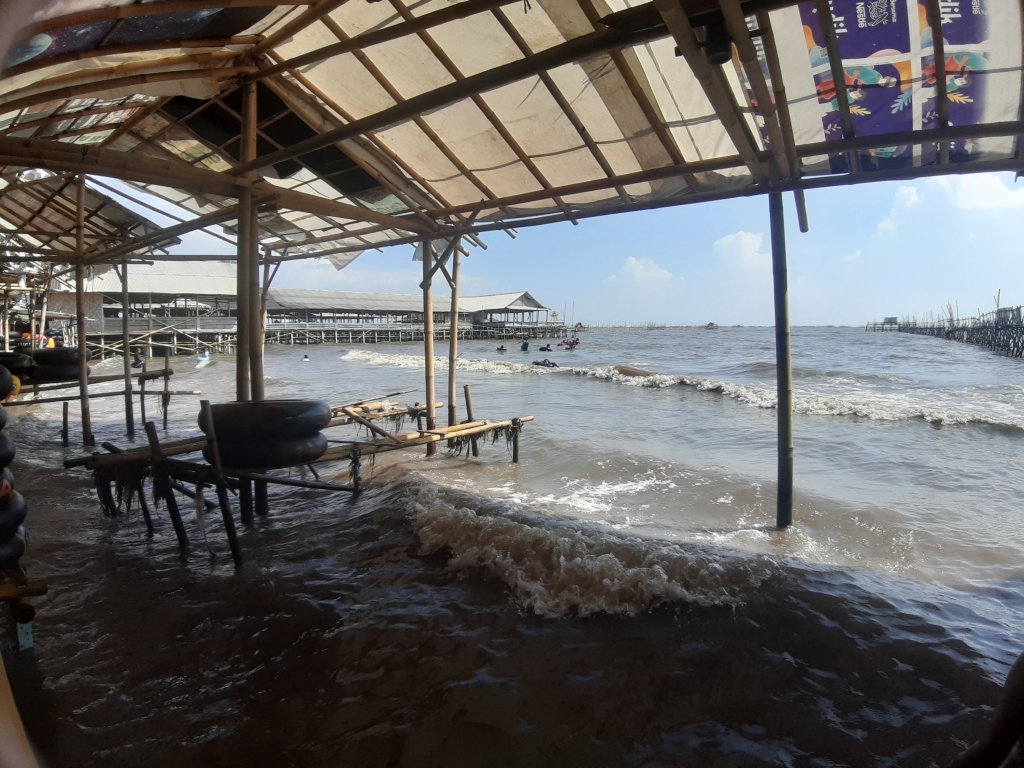
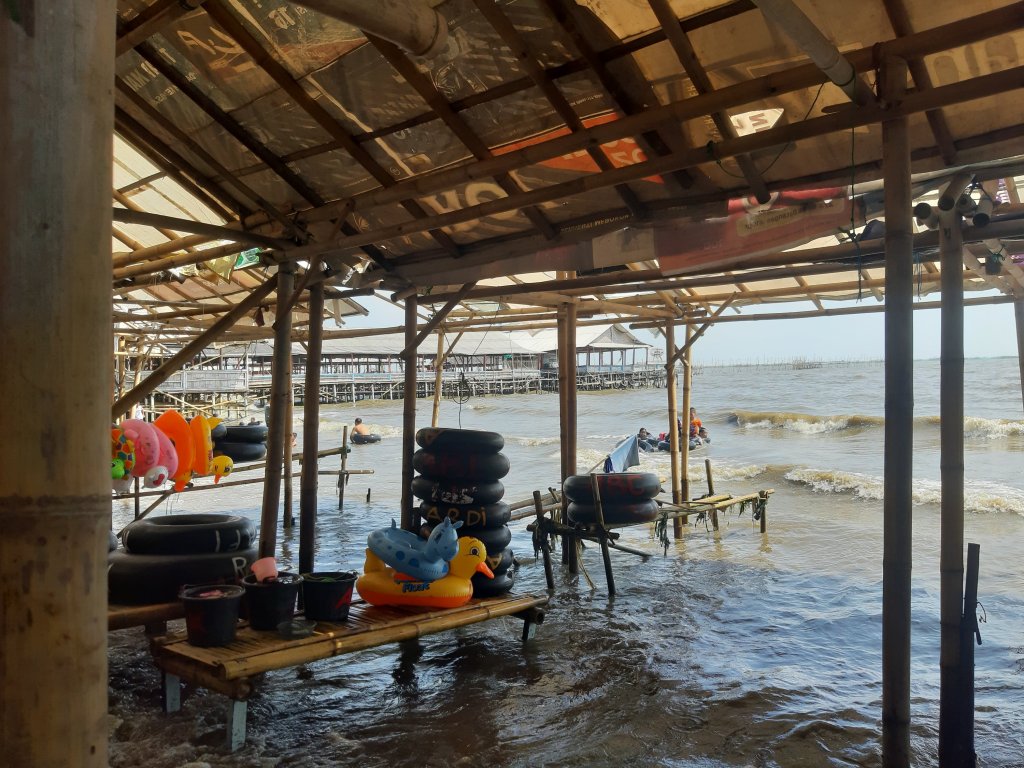
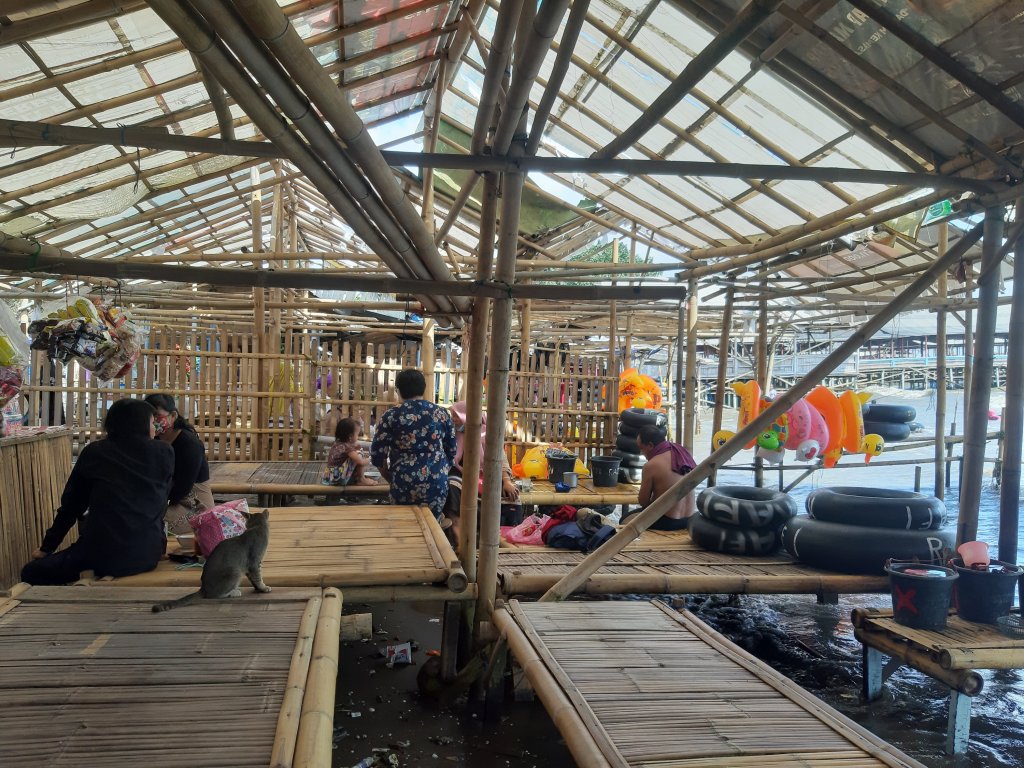
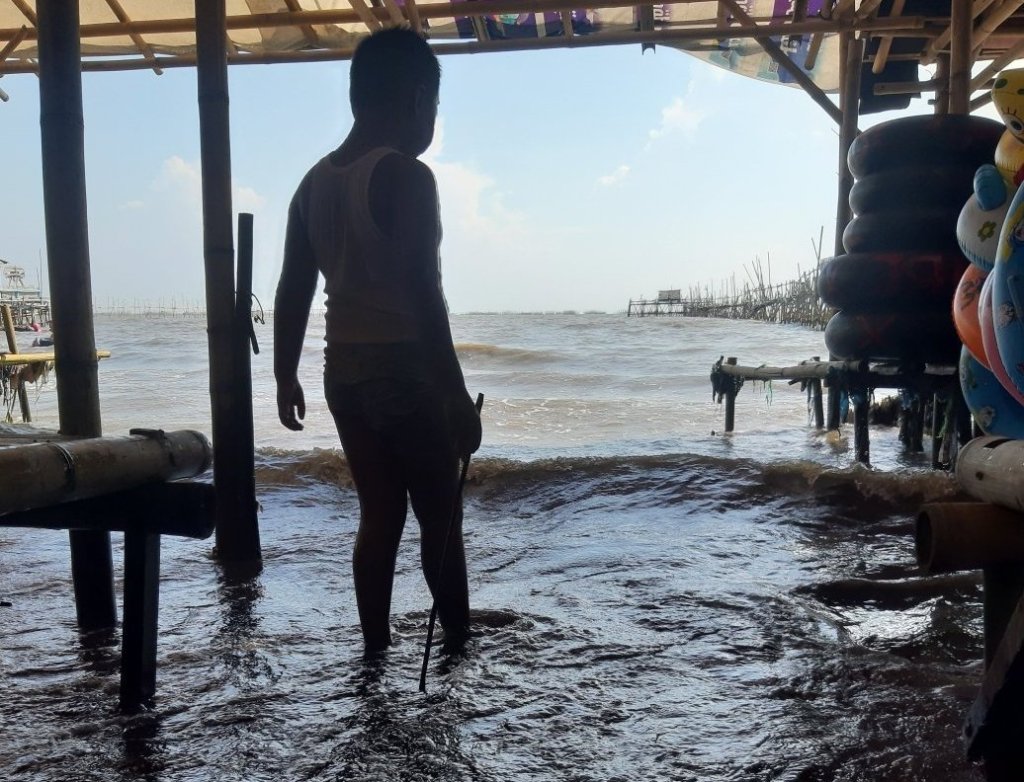
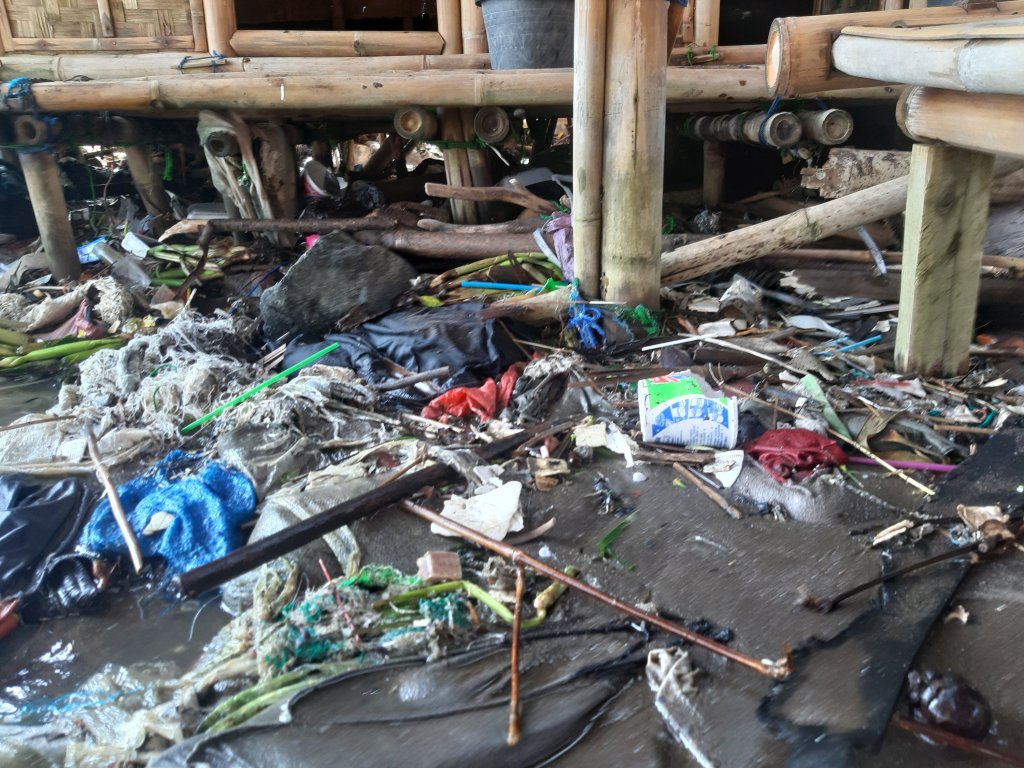
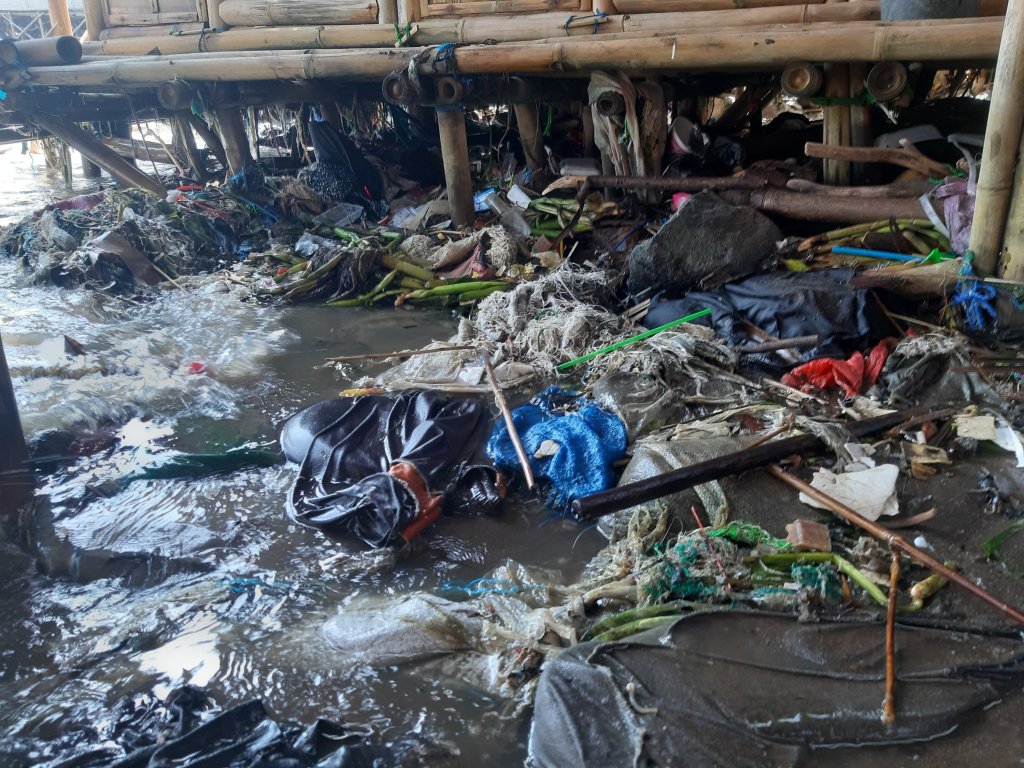
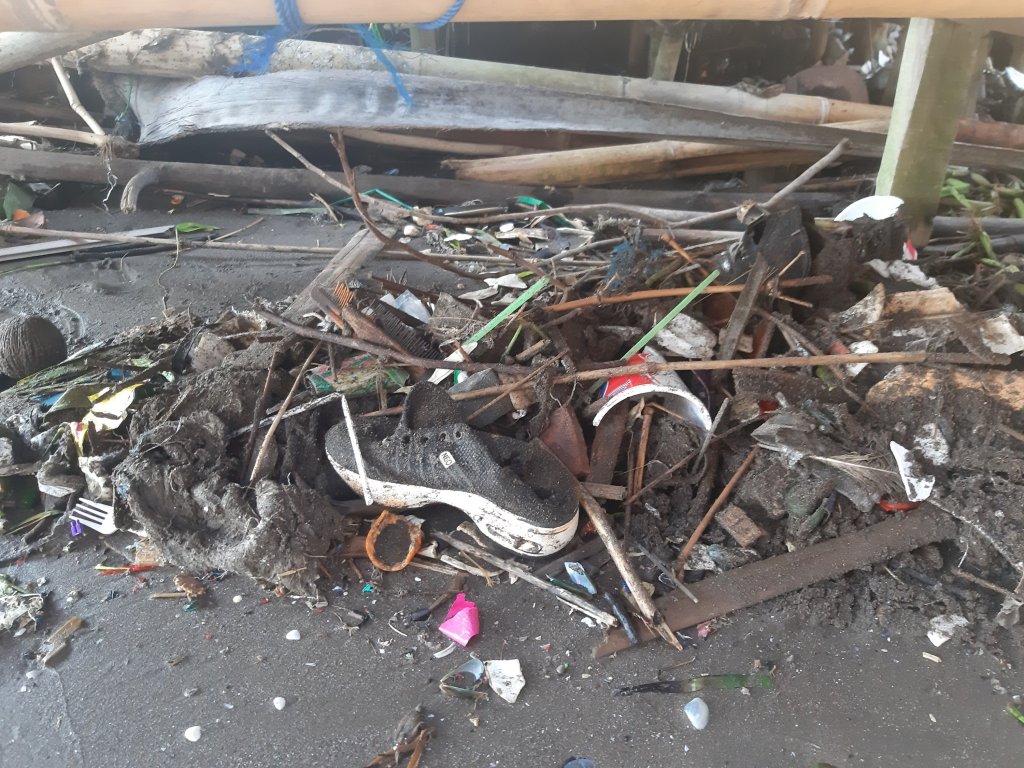
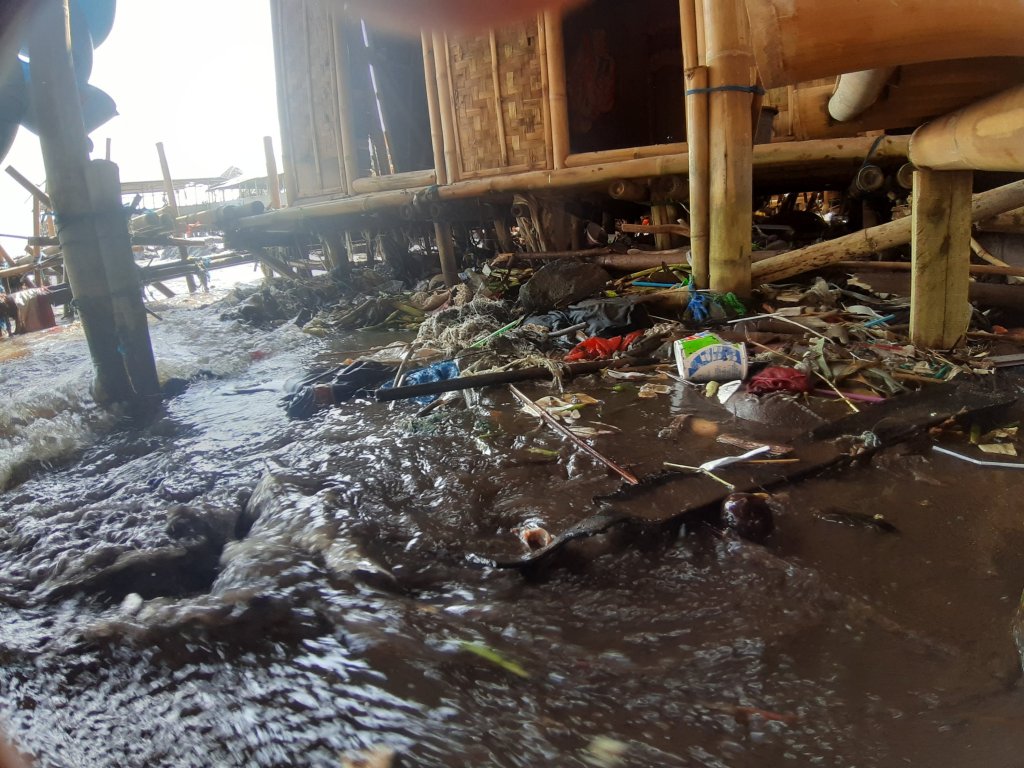

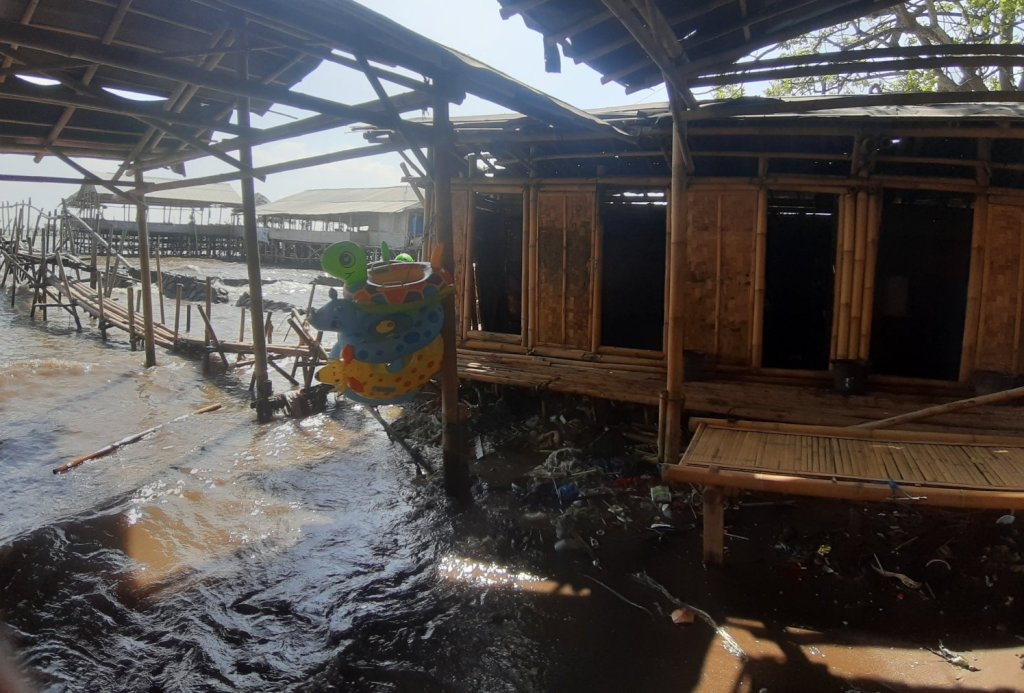
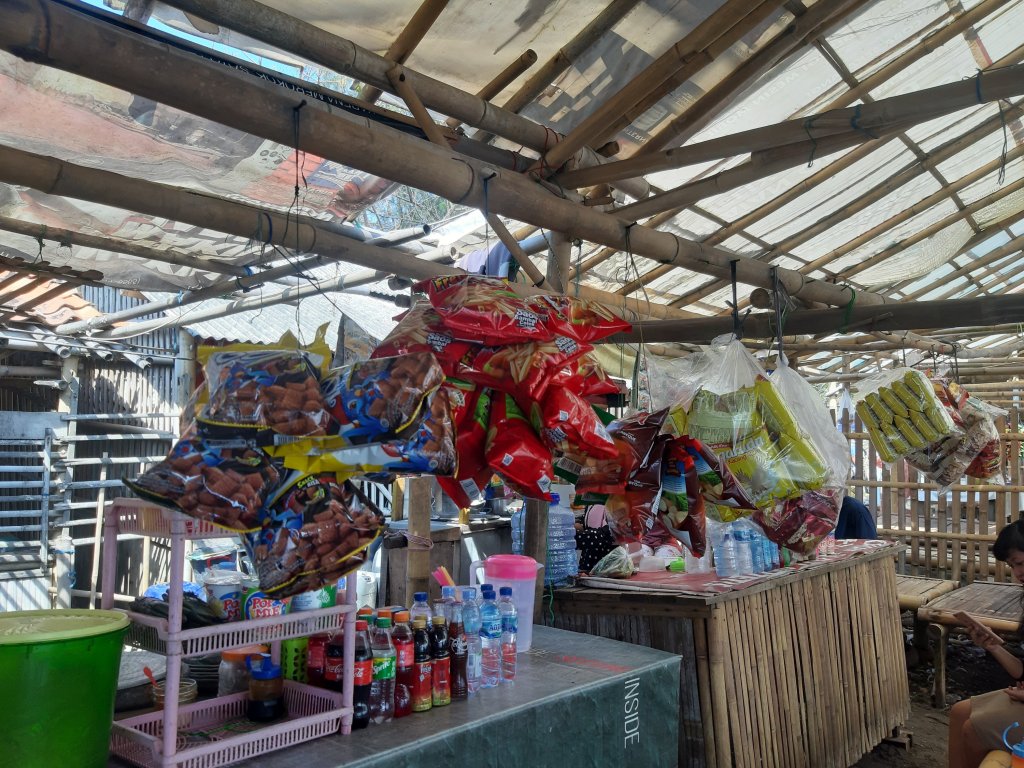
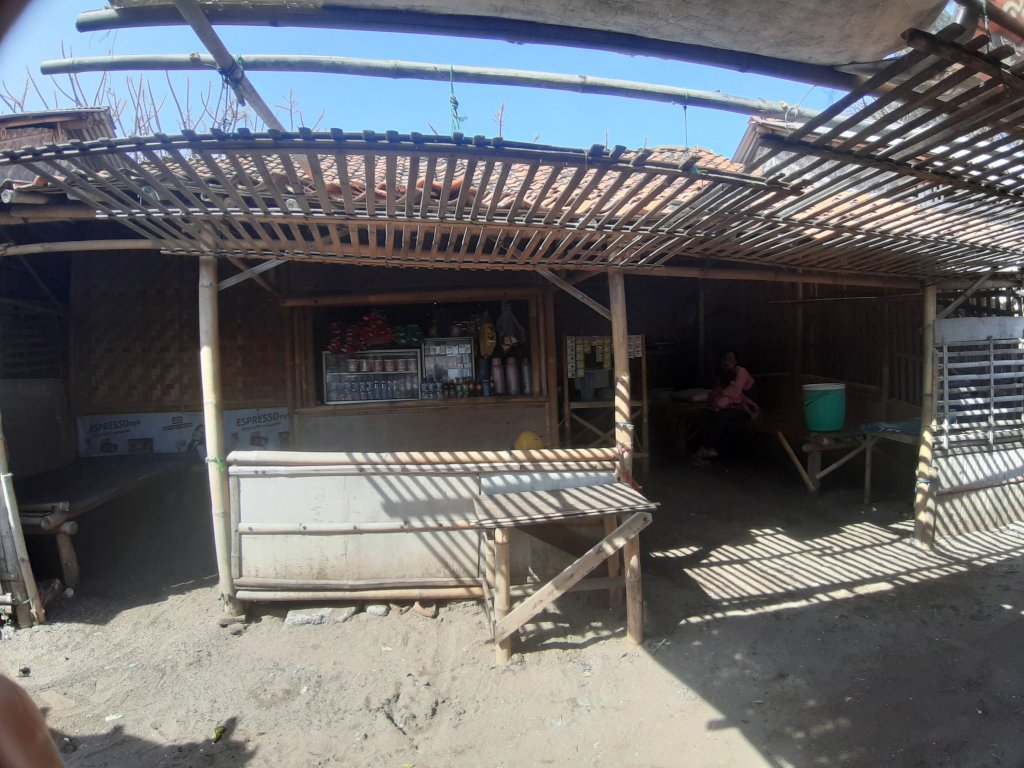
Tanjung Kait Beach actually has the potential as a cultural center and historical acculturation of Betawi and Chinese culture, the visitors can find several temples, such as the Tjoe Soe Kong Temple which was built in 1860. Apart from having a pier for fishermen looking for fish, it is close to the fish auction center for fishermen’s catches. In addition to the strategic location, the beach location is included in the security eye area of the capital Radar Unit (SATRAD) 211 and is adjacent to a vocational school under the auspices of the Sailing Science Education and Training Center (BP2IP). However, being located near to these important places did not help better management of Tanjung Kait beach as a local tourism destination. The visitors playing on the beach with masses of garbage, the small shops in the beach who innocently throw garbage and food scraps to the beach, no trash bins or waste management as well as no warning of keeping cleanliness. Not least, the visitors might feel unsafe because of the threat of illegal levies at several entrances.
The COVID-19 has taught the government and the society to be able to maximize the potential out of the challenge of local travel restrictions or local lockdowns, such as being aware that local tourism is a derivative of the national tourism. Not only Tanjung Kait, all of the thirty four provinces in Indonesia have tourism potential either located in the center cities or rural in the districts that has a positive impact on the economy of surrounding people as well as the existing problem and challenge to be solved. It would be advantageous if the government, private parties, non-profit organizations and the community re-examine the list of works for the sustainability of local tourism potential not only limited to increasing tourism access but also including environmental management and awareness of the local community.
 a black mirror to read then to write