
-
2yo Hazrina, knowing history starts by knowing the face of Lady Diana and Mr. Obama
-

personal documentation Garuda Indonesia Management Building -
“Women have minds and they have souls as well as just hearts. They’ve got ambition and they’ve got talent as well as just beauty. I am so sick of people saying that love is just all a woman is fit for. I’m so sick of it! But—I am so lonely.” (Jo March, Little Women)
-
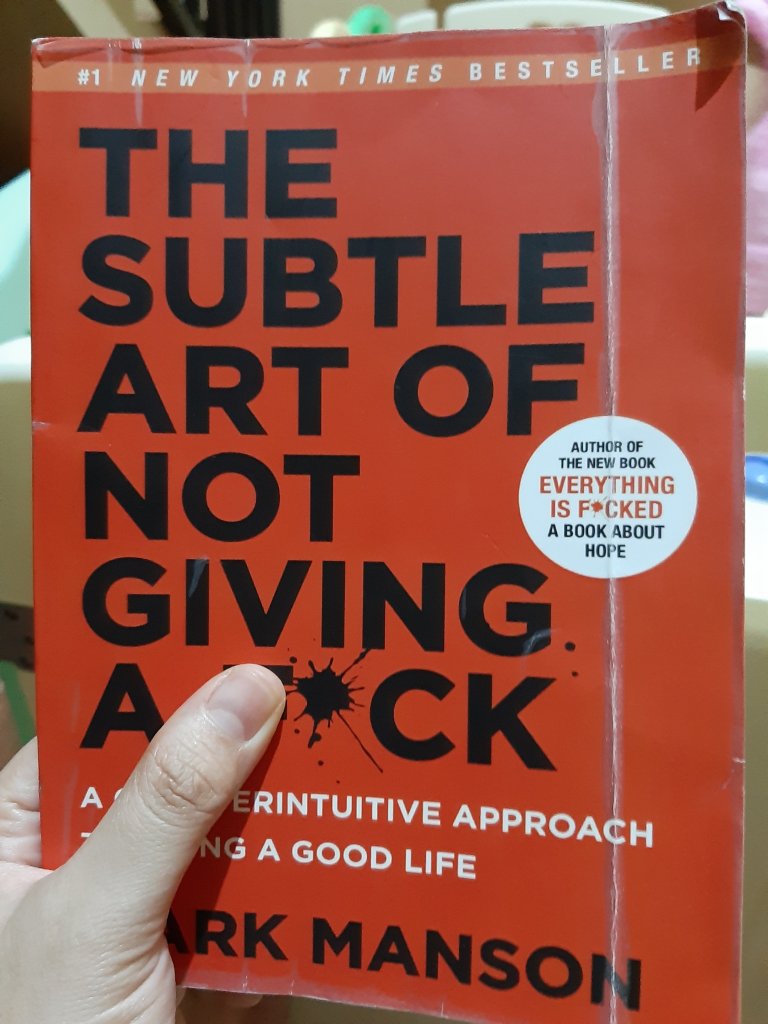
I ever mentioned to my self that listening to Blinkist version of this book would have been enough for me, but my self kept being overwhelmed by one thing and another then decided to finally read tho whole book. Hopefully there would be some positive hints from what Mark Manson put down. The photo of the book I had reflects like I struggled hard to read it all the time, it is true and false, making time to read during working from home vs baby nursery succeed to make this book cover crushed (almost torn).
Let’s start from the pros and cons I thought about this quite phenomenal book (at least it’s title). Simply I proved the writer did not bluff about the keys of happiness or normative steps of a happy life, Mark (let me say his first name) in his book was down to earth to tell what and how particularly human overwhelm. I may say his high school teacher would be astonished to find his student who was caught with drugs in his school bag could make many people in the world read his theories about living a life. Mark gave his best effort to explain his belief with facts, he mentioned some interesting people name, I like this part and will tell about it more in next rows. Those are the pros, while there are two other points I criticize. First: the chapter arrangement might make the readers confused about the whole theories delivered, in details Mark mentioned the topic of other chapter in other chapter, some topics might be over mentioned in book, I mean the readers would easily enjoy to read for a glance but they need to overlook the chapter list if they want to share to other or at least make a book review. Second: he probably lost his idea to mention facts in few last chapters instead he told about people he knew personally and he ended with something absolutely true but anti climax more likely.
Mark believed in his theory of people lose their happiness because they chose wrong of the things they concern at most. Impossible is people say they never care of anything though “insouciant” people at least they think about what matters to their pleasure. What Mark explained in details, back and forth mentioned in his book is how people choose the right things “to be given a fuck” or he named it “Metric”. He brought the story of Hiroo Onoda, the Japanese imperial army who was deployed to the small island in the Philippines (in 1944 of World War II). Onoda’s orders were to slow the United States’ progress, to stand and fight at all costs, and to never surrender. Onoda believed those orders were his metric, he was all happy and proud to stay alone in the jungle and thought the war was not over until he was found in 27 years later. Knowing that he stayed by himself alone in jungle for nothing (because Japan has surrendered in 1945), Onoda instead felt proud for what he has done. Besides Onoda Story, Mark also compared what happened to rock stars Dave Mustaine, who formed a band named Megadeth after being kicked from his old band Metallica. Both Megadeth and Metallica have been famous rock bands but Mustaine still considered himself as a failure who being kicked from Metallica. Mustain wouldn’t change his “metric” which made himself vulnerable by his choice. It was the same thing happened with Pete Best when he was been cut off from his band the Beatles, but it was not the exact same what Best chose in the end. Best was kicked from The Beatles without any explained reasons or any condolences, he even had sued two of the Beatles for slander, he tried but all of his other musical projects had failed horribly and he poorly attempted suicide. Amazingly in thirty years later, Best said proudly “I’m happier than I would have been with the Beatles.” What has happened to him? He met his wife and had a family. This thing might be claimed as not material happiness thing for society, but it was happiness for Best because Best chose the “metric”.
In prior, Mark began the fist page by mentioning Charles Bukowski (a poet-novelist), Bukowski was acknowledged to be one success story of man who was persistent to his success, ironically it was strange for what was written in Bukowski’s tombstone: “Dont Try”. It has been a mysterious discussion why a successful Bukowski left such pessimistic words, though many people also thought those were indefinitely pessimistic. Well, I am not a fan of Bukowski’s poems but Mark pointed that Bukowski was not really happy with his fame and everything. Bukowski used to be with his old failure, he still verbally abused people in audience and tried to sleep with every woman. Mark believed that fame and success didn’t make Bukowski any better nor it was by becoming a better person that he became famous and successful.
Further in next chapter, I am attracted that Mark brought the history in the 1960s and the 1970s people were taught to have high of self esteem, kids were given a lot of assignments, many motivational seminars campaign that everyone can be massively successful. In short, he tried to relate those self esteem encouragement has lead to self entitled or how people nowadays focus to the success result not the process itself. I eventually expect Mark could also relate those self-esteem encouragement to what people mislead to categorize what matters in life, but Mark wrote those in other chapter without bringing the correlation I expect. Yes, Mark noted the things people overrate or precisely wrong to be valued, he expressed those things by “shitty values”: pleasure, material success, always being right and staying positive. Mark agreed that people eventually could be happy when they don’t always prioritize their pleasure. There are other values could make people happy which are not always material success. Mark mentioned his details in rows but I could resume those two points in an instance based on my opinion of a man who has exposure and chance to corrupt other people’s money but he just doesn’t do it because he let go of his pleasure and material things which he rather believes in honesty and integrity to make him happy. Further the last two points are new interesting, I think. Making ourselves entitled to be always right is stressful, whoever might be wrong and what or who have been right for decades might be wrong and vice versa. To always feel right also would make people judge their selves to be always superior than other and possibly become less open minded. Last but not least “shitty values” is that to be okay to admit when ourselves sad or angry. Mark showed that people should not force themselves or lie to themselves when they don’t feel right. This is like a pause for making every problem to be better accepted and continue the living.
Besides choosing the right “metric to be given fuck” and advising not to have “the shitty values” for the chosen “metric”, what Mark additionally wanted to convince was how to measure or define whether the things which have been our values are good or bad. He explained how to do that in details in this book which I don’t paraphrase that here. I am instead attracted to one chapter telling to kill yourself or in short “be your self” is not necessarily good. Be your self is very familiar for encouraging people but Mark confronted that people should responsible to what in their selves to be themselves are already good or right. I definitely consent about this, we absolutely won’t support “be your self” to a terrorist, will we? (Though some terrorists are somehow conspired, bribed, or even forced).
In the end, surprisingly Mark completed his theory with the certainty of death and power beyond people. I just simply agree with this because I am the one who believe in life after death and great power beyond me. However I never guessed Mark would come with those in the end of book which not all people believe and those things could be anticlimax for some readers. Though what I add to my opinion, in last chapters part Mark instead mentioned his experience and people story that he knew. It would be fair if he also related to some facts as he did in prior chapters part.
-
When I born, I black
When I grow up, I black
When I go in Sun, I black
When I scared, I black
When I sick, I black
And when I die, I still blackAnd you white fellow
When you born, you pink
When you grow up, you white
When you go in sun, you red
When you cold, you blue
When you scared, you yellow
When you sick, you green
And when you die, you gray
And you calling me colored?(sources: anonymous; a pupil of King Edward VI School of Birmingham-UK; found in the children’s book of poems – prayers and meditations ed. Liz Attenborough)
-

personal documentation Package from Erasmus + -

personal documentation an10julcgkdps
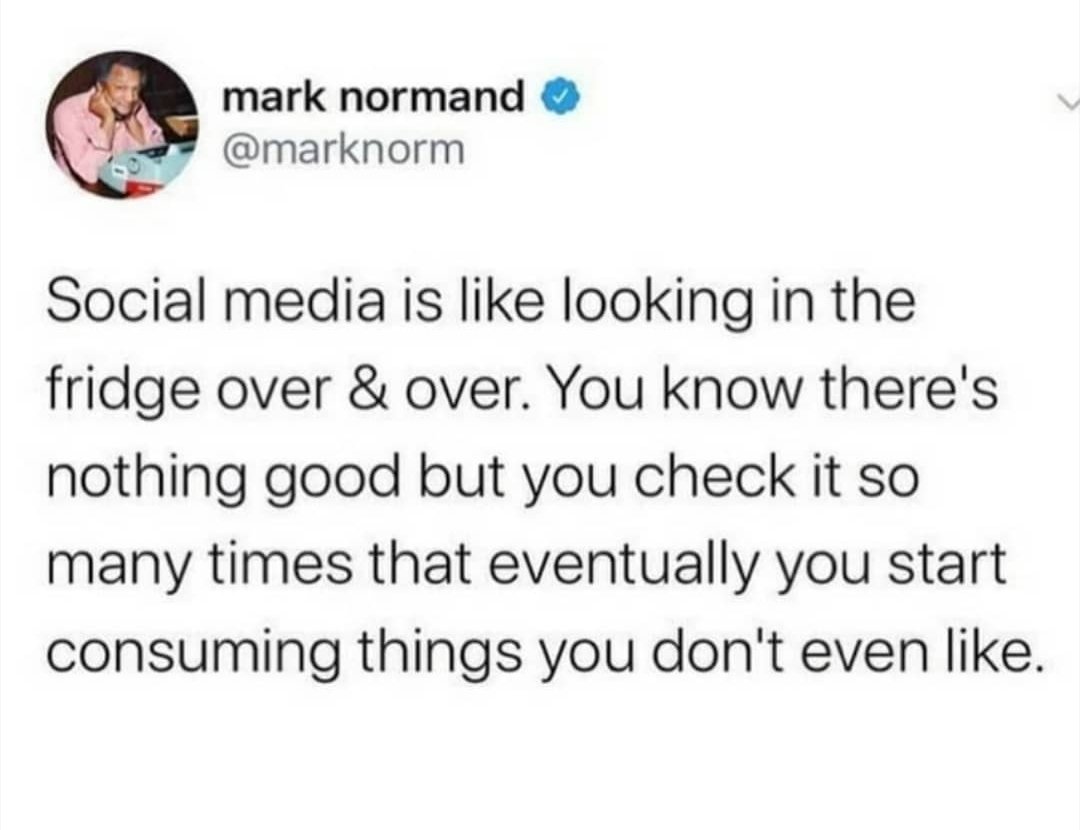
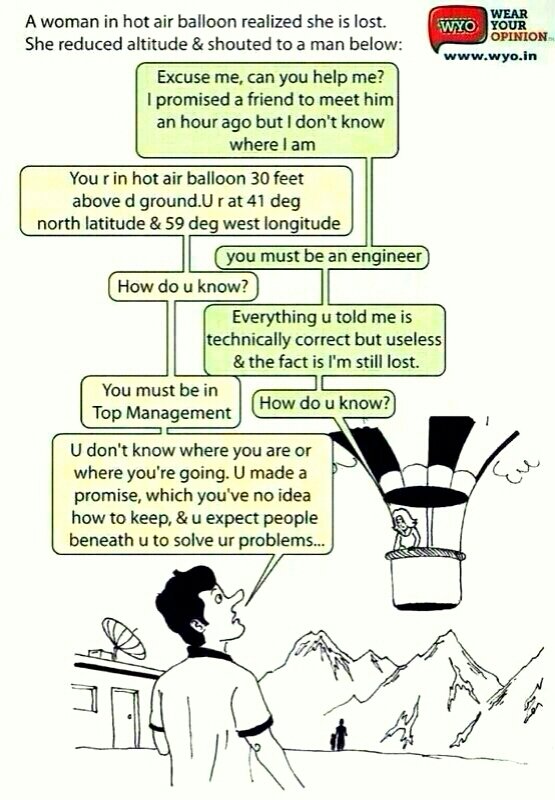
 a black mirror to read then to write