• Karena sudah jadi ibu-ibu dengan bertambahnya kebutuhan bayi, sekarang sudah tidak leluasa lagi untuk spending money termasuk kalau penasaran sama satu dua buku. Misalnya sudah lama penasaran sama buku The Subtle Art of Not Giving A F, tapi urung beli dan akhirnya puas dengan dengerin podcast dari free trial nya Blinkist, thank Blinkist. Akhirnya kepikiran buat re-read buku-buku di rak yang dirasa masih belum puas ngerti. Nah buku ini salah satunya, Misteri Nabi Khidir.
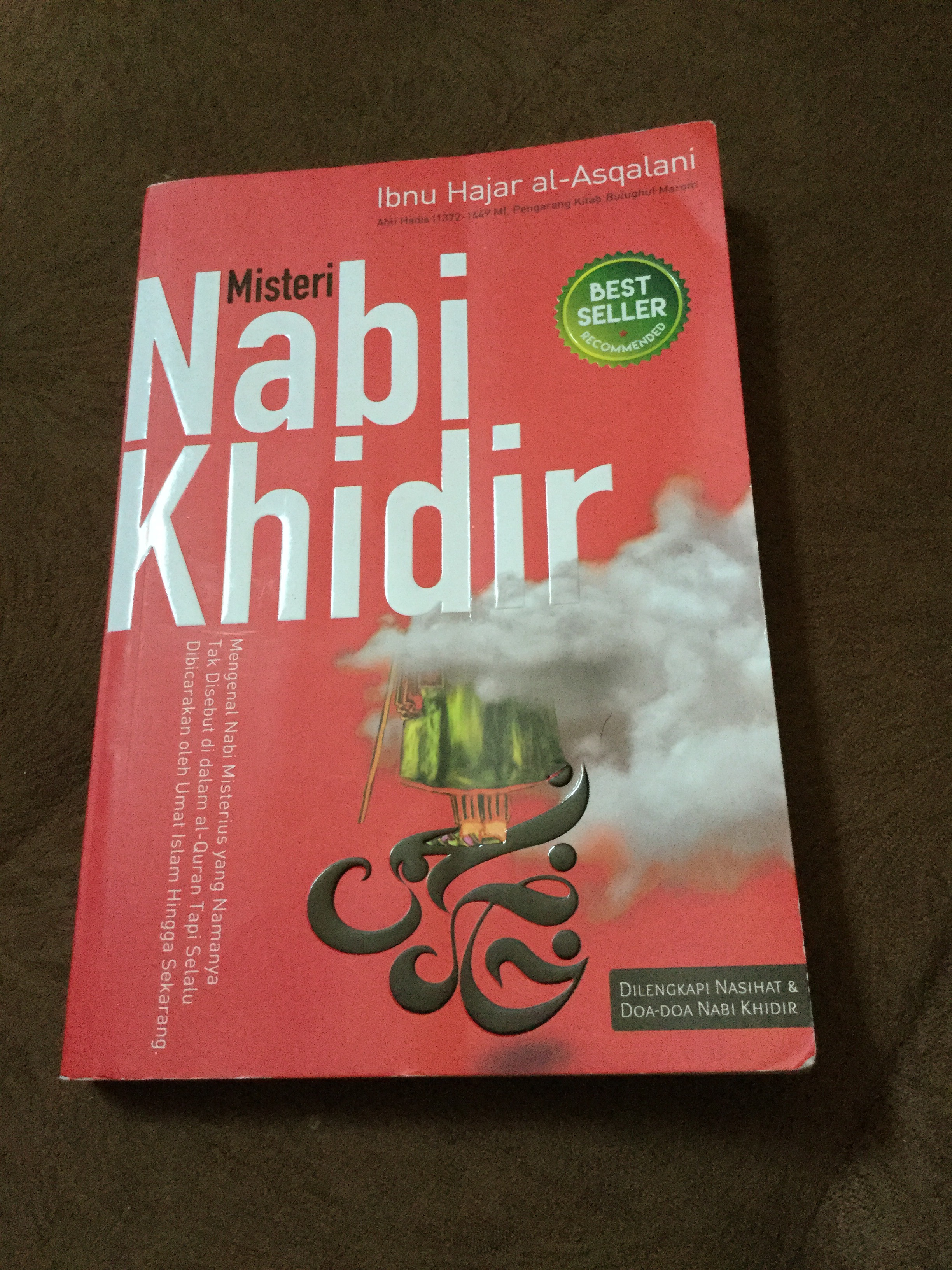
    Sekitar satu tahun lalu dibeli (saat masih hamil) dan sudah selesai dibaca, namun impression setelah baca waktu itu adalah: this book is confusing. Mungkin efek less intelligent karena sedang hamil waktu itu ya, tapi ternyata tidak Fernando! Setelah dibaca lagi, buku ini memang sulit. This book is really not easy. But do not worry, it is very worth it to be read so I share here in my page to be remembered.

    Why I picked this book was because I like to enjoy Surah Quran Al-Kahfi (I even gave one word of it to my daughter’s middle name, walyatalattaf). Further, I found a very interesting story about the prophet Musa and Khidr. Thus, I also have been wondering my granny used to mention him (Khidr) as a powerful angel but named as prophet (Nabi Khidr). So, who is he? Check it out!

    Pertama-tama, buku ini adalah buku terjemahan. Its original book title is Az-Zahru an-Nadhir Fi Naba’i al-Khadhir (yang artinya kurang lebih: Penjelasan di Cerita Tentang Khidir). Penulisnya adalah Ibnu Hajar al-‘Asqalani, yaitu penghafal minimal 100.000 hadis (lengkap dengan sanad yang berkaitan) yang berasal dari Mesir. Bagi yang sudah pernah belajar hadis, buku ini bisa mengingatkan pada istilah sanad rawi, hadis sahih, madis marfu dan istilah lainnya. Bagi yang awam, buku ini dilengkapi dengan definisi yang jelas dan bahasa yang sangat mudah dipahami.

    Secara topik buku ini mengupas tentang hal A sampai Z Nabi Khidir, seperti garis keturunan, statusnya sebagai Nabi Allah, pada masa apa Khidir hidup dan apakah Khidir masih hidup, siapa saja yang pernah bertemu, termasuk kisah tentang Nabi Khidir yang pernah muncul dan banyak dibahas oleh para pemuka agama seluruh dunia. Secara struktur, penulis membahas hadis hadis populer tentang satu topik misalkan banyak hadis yang menyebutkan bahwa Khidir masih hidup sampai saat ini yang dibahas sebagai hadis yang ditolak dan penulis membandingkan dengan hadis lain yang termasuk hadis diterima dengan sanad yang dikenal jujur dan terpercaya. Yang membuat dahi berkerut adalah tidak semua penjelasan bahwa suatu hadis tentang suatu hal diceritakan di narasi, bahkan kebanyakan harus terus melihat footnotes untuk dapat menyimpulkan maksud dari yang dibahas oleh penulis. Sesuai julukan diawal, that is why this book is not easy. To be honest, it is seriously confusing tho 😭.I think I am going to find other version on this translated book.

    However, there are still few points I could resume for sure from this book:

    – Khidir is a prophet. Khidir is a human. Allah blessed him such magical power which not other prophet had. Magic di sini adalah hal ghaib. Khidir diberi Allah hal khusus untuk mengetahui keputusan-keputusan Allah pada makhluknya. Well it is clearly stated in Quran Surah Al-Kahfi.

    – Khidir diberi umur panjang, namun tidak abadi. In this book the writer surely proved some hadis which are strongly to be a lie that Khidir is still alive. This is also related to hadis which mentioned that “nobody will alive on earth 100 years after Hijrah of the prophet Muhammad pbuh”. It is assumed that even Khidir was still alive when Hijrah, he was promised to be passed away during those 100 years after.

    – Some hadis told that Khidir came when the prophet Muhammad pbuh was passed away but some hadis confronted that if Khidir was there on era of the prophet Muhammad pbuh, there should be hadis which is sahih (means truly trusted) that stated they have met and Khidir becomes Muhammad’s follower. Thus, hopefully I find the completed book/source could show the truth.

    What comes in mind after reading this book is people will be more interested in learning about hadis history and tafsir. Particularly of being amazed of those Al-Hafizh who were loyal keeping knowledge about it. l should really be able to introspect that how bad my quran memorizing for example. Come on! Astaghfirullah..

    Last but surely not least, this was how Allah really tells us that He is the power of all power. Kun fa yakun through the prophet of Khidir.
  • In brief, I could relate these two :”)

  • Once a man was asked, “What did you gain by regularly pray to God?”
    The man replied, “Nothing, but let me tell you what I lost: anger, ego, greed, depression, insecurity, and fear of death.”

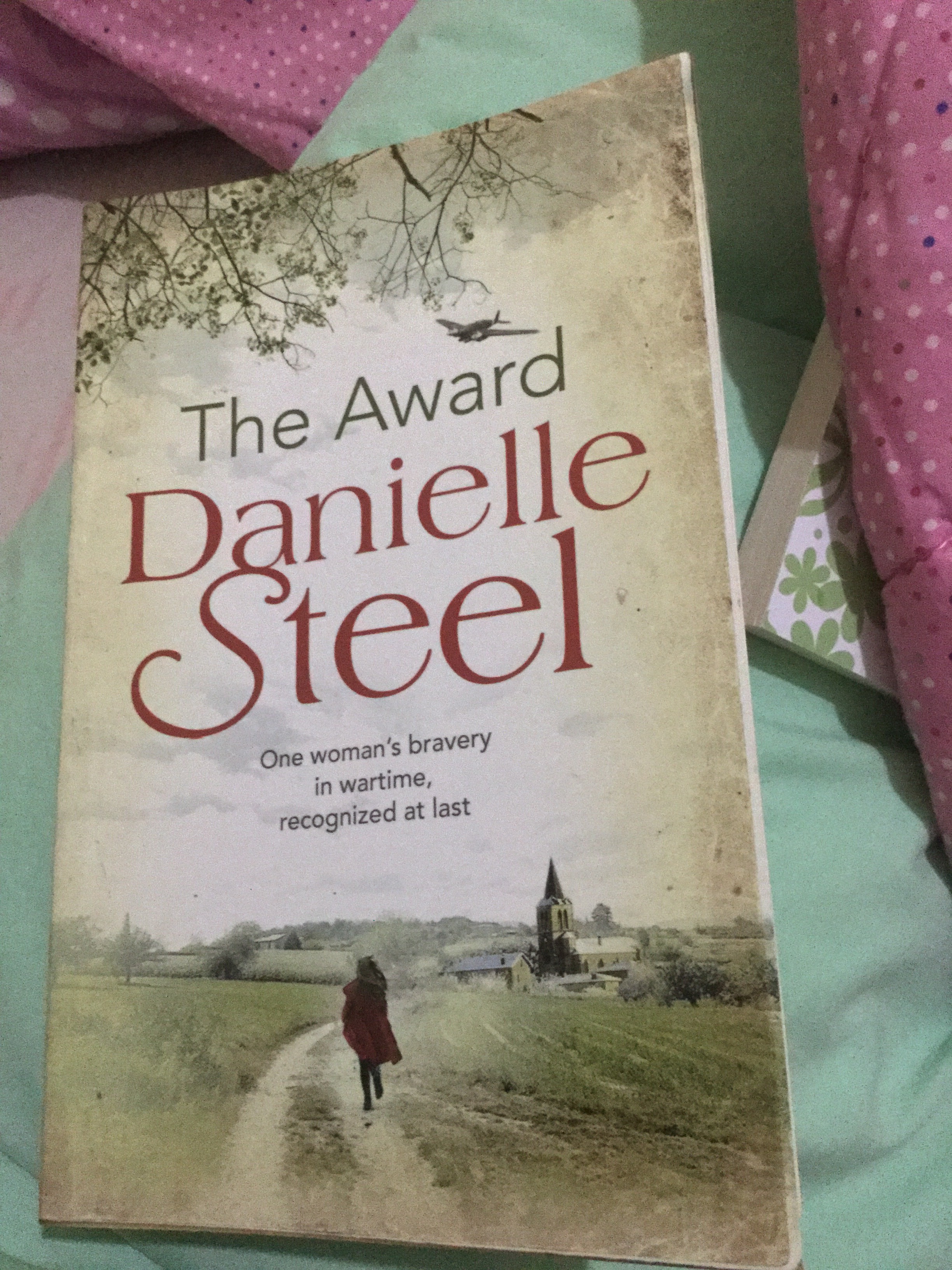
  • I read this book during the final trimester of my pregnancy, just before I took my maternity leave, leading up to my Estimated Due Date (HPL, if I’m not mistaken). I actually got this book from the Periplus Book Fair a few months ago, at a very cheap price. I had never read any of Danielle Steel’s novels before, as her books are mostly known for their drama, romance, and similar themes. Nevertheless, I was initially quite satisfied with this one, but eventually, I felt disappointed. I managed to finish the entire book in just one day. The thing I enjoyed most about this American writer’s novel was its simplicity in plot. It felt like listening to Danielle Steel telling a story, though there were moments when I got easily bored and could predict the plot and ending. Why?

    The book mainly tells the story of Gaelle, a girl who survived World War II in France. However, only about five chapters out of the twenty focus on her struggle to survive during the war. The remaining chapters are largely about her life’s drama, which, despite her war experiences, centers on the abundant luck she gained after the war, followed by a kind of roller-coaster drama that has little to do with her wartime trauma.

    Pardon me if this review is shaped by my very high expectations that the novel would explore survival stories related to the Nazi-Jewish Holocaust in World War II, but unfortunately, that was not the case. I believe Danielle Steel could have balanced the narrative better by adjusting the proportion of chapters dedicated to the war story—perhaps more of the story should have focused on her survival experiences. But, did I really mean that?

    Imagine, five chapters detailing the horrors of life under German occupation during World War II, followed by the remaining fifteen chapters that describe Gaelle’s life post-war, without any significant events connected to the war. It ends up feeling more like a tale about Gaelle’s life rather than a story of survival. I could have tolerated that Danielle Steel attempted to relate Gaelle’s traumatic war memories to her later life story in those last fifteen chapters, but I felt there was no plot twist or connection that linked the two. From another perspective, if Danielle had focused on introducing Gaelle’s granddaughter or elaborated on her family life and character, perhaps the remaining chapters would have made more sense. However, these fifteen chapters seemed somewhat disconnected from the novel’s title, The Award. For me, the rest of the story didn’t really relate to the intended theme of how Gaelle, as a brave woman during wartime, was recognized in her later years.

    Despite this, the book received relatively decent reviews from some book review platforms. So, now I’m curious to read more of Danielle Steel’s novels, hoping they’ll offer a more fulfilling experience and ease some of my disappointment with this one.

    Lastly, I can guarantee that this review was not influenced by any pregnancy mood swings!

  • “Merasa diri lebih hebat, berakibat angkuh.
    Merasa diri tak seberuntung orang lain, berakibat ngeluh.
    Lebih tekun melihat ke dalam diri.
    Lebih bijak menyikapi hidup.”
    -Self Talk, Self Mirroring, Self Reminder

  • (Selesai satu film, duduk di udara dengan satu gelas minuman rasa apel dan beberapa lagu lawas chrisye. Kok mendadak melankolis ya.)

    Ke negara yang pernah menjajah negara sendiri, mau apa? Mau bawa oleh – oleh dong.

    Delapan hari di negara Nippon, berat sekali bawaanku dari sana. Oleh-oleh atau pakaian kotor? Tentu lebih dari itu.

    Rasa pegal tertinggal di dua kaki yang dibawa hingga rumah nanti itu sudah pasti. Yang istimewa adalah inspirasi untuk menambah semangat diri dalam hidup. Janganlah jauh-jauh ke teknologi dan digitalisasi yang ada di sana. Tetapi bukan juga cuma sekedar sejuknya udara, rapinya tata kota dan indahnya bunga pada musim semi.
    Delapan kali 24jam bertemu dengan para pembaca buku dalam kereta, ikut belajar terseok seok berbaris rapi dalam mengantri, memahami arti mengecilkan suara agar orang lain tidak merasa terganggu, melihat sosok yang selalu sungguh-sungguh saat bekerja, ditolong oleh para penolong yang tulus padahal hanya bertemu di jalan, itu kurang lebih inspirasi berat yang terbawa, semoga sampai dengan selamat dan awet langgeng menjelma di diri ini.

    Dan yang pastinya semoga perjalanan liburan lalu menambah ketakwaan pada Allah.

    (dari atas awan Tokyo ke atas awan Jakarta)